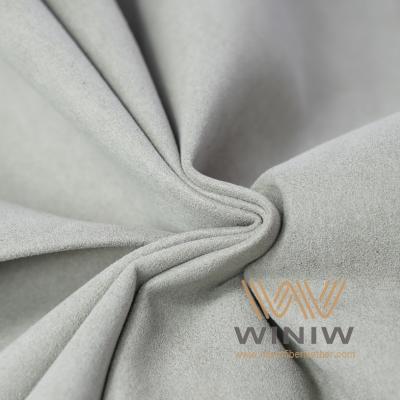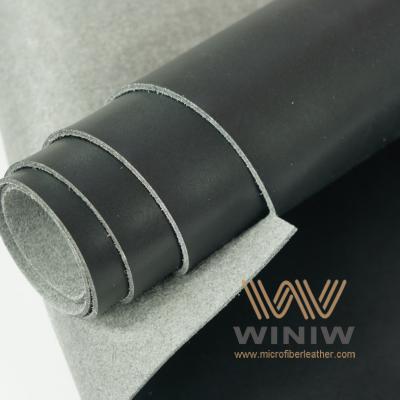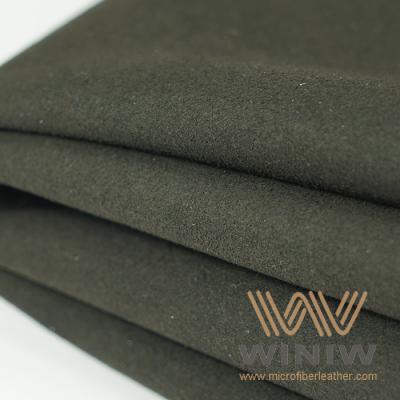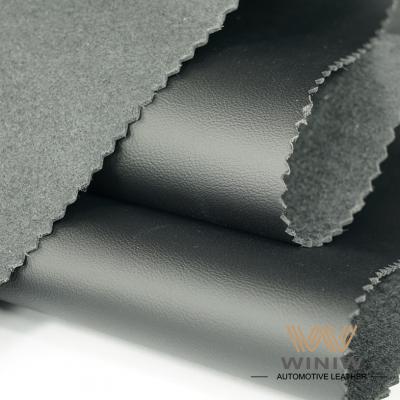
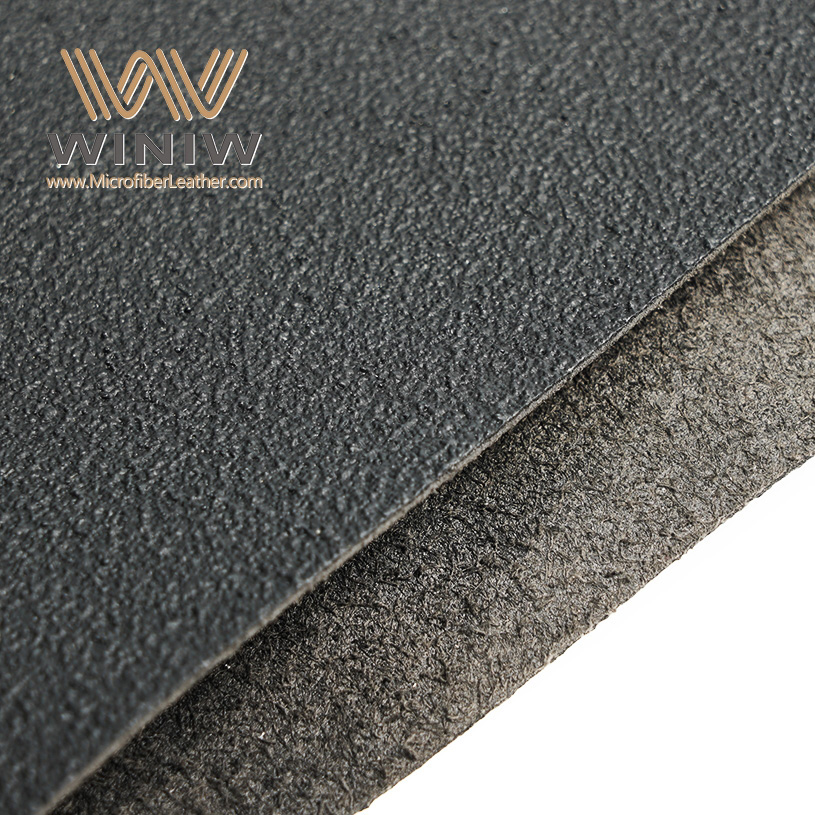
Es frecuente encontrar calzado de seguridad fabricado con acero, aluminio, materiales compuestos, cuero, microfibra, textiles, caucho, poliuretano y EVA. Los fabricantes utilizan acero, aluminio o materiales compuestos para las punteras; cuero, microfibra o textiles para la parte superior; y caucho, poliuretano o EVA para las suelas. El cuero ofrece durabilidad, el caucho resiste resbalones y los plásticos ayudan a reducir el peso. Elegir el material adecuado para el calzado de seguridad ayuda a proteger los pies, mantener la comodidad y garantizar una mayor durabilidad.
Elija zapatos de seguridad con la material de la puntera derecha Para su entorno de trabajo. El acero ofrece máxima protección, mientras que el compuesto es más ligero y no metálico para áreas con detectores de metales.
Prioriza la comodidad eligiendo zapatos con plantillas acolchadas y empeines flexibles. Esto ayuda a reducir la fatiga durante largas horas de pie.
Busque materiales transpirables como malla o forros que absorban la humedad para mantener sus pies secos y frescos, especialmente en condiciones de trabajo calurosas.
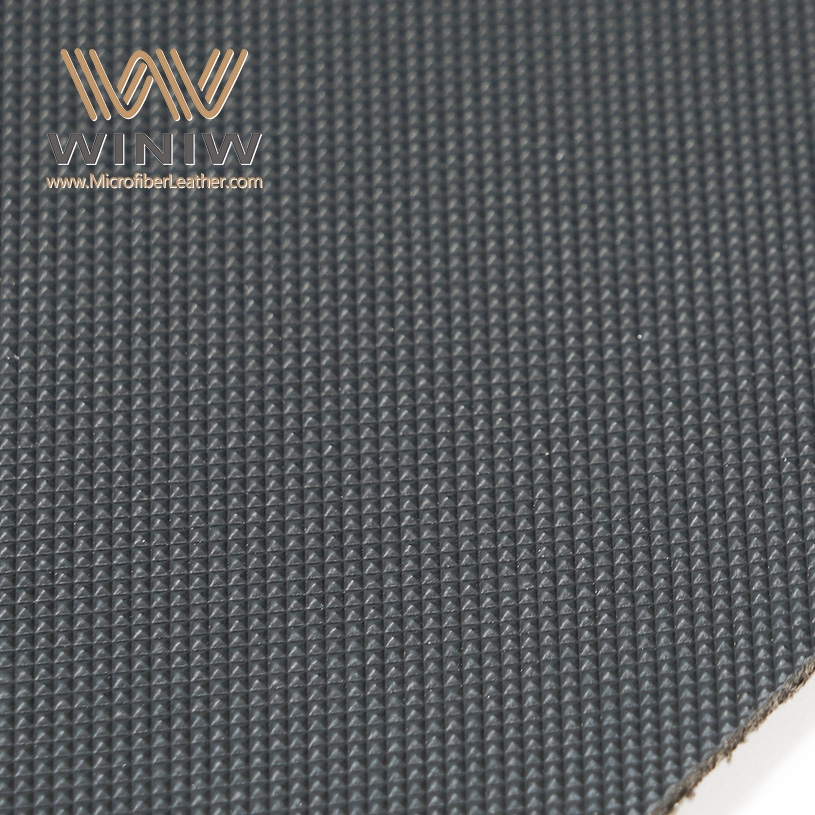
La puntera es fundamental para la protección contra impactos fuertes y compresión. Los materiales más comunes para punteras en calzado de seguridad incluyen acero, aluminio, composite y carbono. Cada material cumple con estrictas normas de seguridad, como la norma ASTM F2413-18 MI/75 C/75 EH, lo que significa que la puntera puede soportar un impacto de 75 pies-libra y una carga de compresión de hasta 2500 libras.
A continuación se muestra una comparación rápida de los principales materiales de la puntera:
|
Tipo de material |
Clasificación de resistencia al impacto |
Resistencia a la carga compresiva |
Peso |
Temperatura |
Detector de metales |
Espesor del perfil |
Precio |
Mejor para |
|---|---|---|---|---|---|---|---|---|
|
Acero |
Yo/75 |
2.500 libras |
Más pesado |
Conductas |
Desencadenantes |
Más delgado |
Más bajo |
Industria pesada |
|
Aluminio |
Yo/75 |
2.500 libras |
Medio |
Conductas |
Desencadenantes |
Delgado |
Medio |
Uso general, peso más ligero. |
|
Compuesto |
Yo/75 |
2.500 libras |
Más ligero |
Aísla |
NO lo hace |
Más grueso |
Más alto |
Aeropuertos, frío, ropa para todo el día |
|
Carbón |
Yo/75 |
2.500 libras |
Más ligero |
Aísla |
NO lo hace |
Delgado |
Más alto |
Necesidades de alta tecnología y peso ligero |
Consejo: Si trabaja en entornos con detectores de metales, las punteras de composite o carbono le ayudan a evitar alarmas innecesarias. Para una máxima protección en la industria pesada, el calzado con puntera de acero sigue siendo la mejor opción.
La parte superior de su zapato de seguridad asegura su pie y lo protege de peligros externos. El más común Material de calzado de seguridad para la parte superior Incluye cuero, microfibra y tela. Cada material ofrece ventajas únicas en cuanto a durabilidad, flexibilidad y comodidad.
|
Material |
Resistencia a la abrasión |
Flexibilidad |
Resistencia al agua |
Transpirabilidad |
Notas |
|---|---|---|---|---|---|
|
Cuero |
Alto |
Moderado |
Moderado |
Moderado |
Aspecto clásico, resistente, necesita mantenimiento. |
|
Microfibra |
Muy alto |
Alto |
Bajo |
Alto |
Ligero, fácil de limpiar, apto para veganos. |
|
Textil |
Moderado |
Muy alto |
Bajo |
Excelente |
Transpirable, ligero, ideal para la comodidad. |
Puedes elegir el cuero por su resistencia y apariencia clásica. La microfibra ofrece ligereza, flexibilidad y es fácil de limpiar. La parte superior de tela maximiza la transpirabilidad, lo que la hace ideal para ambientes calurosos o largas horas de pie.
La suela de tu calzado de seguridad te mantiene estable y absorbe los impactos. Los fabricantes utilizan caucho, poliuretano (PU) y EVA (etileno acetato de vinilo) como material principal para las suelas de tus zapatos de seguridad. Cada material influye en la resistencia al deslizamiento, la durabilidad y la comodidad.
Las suelas de goma ofrecen un excelente agarre y una resistencia química excepcional. Son duraderas y funcionan bien en superficies resbaladizas.
Las suelas de PU ofrecen una excelente absorción de impactos y una durabilidad moderada. Son más ligeras y flexibles que las de goma.
Las suelas de EVA brindan la mejor absorción de impactos y una sensación suave y acolchada, pero se desgastan más rápido que el caucho o el PU.
|
Material de la suela |
Absorción de impactos |
Resistencia química |
Durabilidad |
|---|---|---|---|
|
Goma |
Bien |
Excelente |
Alto |
|
PU |
Superior |
Bien |
Moderado |
|
EVA |
Excelente |
Bien |
Bajo |
Nota: Si busca resistencia al deslizamiento y durabilidad, las suelas de goma son la mejor opción. Para mayor comodidad y ligereza, las de PU y EVA son opciones populares.
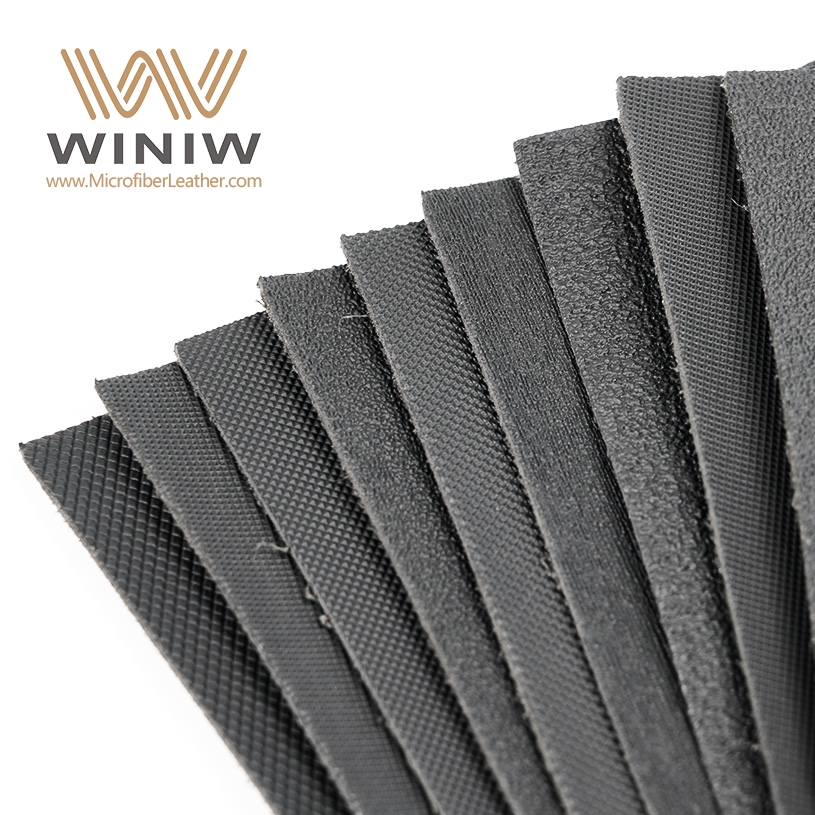
El forro interior del calzado de seguridad controla la humedad y aumenta la comodidad. Los materiales más comunes para los forros de calzado de seguridad incluyen microfibra, poliéster, nailon y malla. Estos materiales absorben el sudor, mantienen los pies secos y ayudan a controlar el olor.
|
Material |
Propiedades |
|---|---|
|
Microfibra |
Transpirable, resistente a la abrasión, ligero, absorbe la humedad. |
|
Poliéster |
Absorbe la humedad, mantiene los pies secos y mejora la comodidad. |
|
Nylon |
Ligero, duradero y se puede tratar con soluciones antibacterianas. |
|
Malla |
Ofrece transpirabilidad y ventilación, mejora la gestión de la humedad. |
Muchos forros modernos utilizan tecnologías avanzadas para mantener los pies frescos e higiénicos todo el día. Algunos forros proporcionan un control continuo del olor, lo que hace que sus zapatos de seguridad sean más cómodos para turnos largos.
Las plantillas sujetan el arco del pie y amortiguan los pasos. Los materiales más comunes para plantillas de calzado de seguridad incluyen espuma, gel, corcho y cuero. Cada material influye en la comodidad, el soporte y la reducción de la fatiga.
Las plantillas de espuma brindan un excelente soporte y ayudan a mantener la alineación adecuada del pie.
Las plantillas de gel absorben los impactos y se sienten suaves, lo que es ideal para estar de pie o caminar todo el día.
Las plantillas de corcho repelen el agua y se pueden combinar con látex para mayor comodidad.
Las plantillas de cuero duran mucho tiempo y brindan soporte y comodidad.
También puedes encontrar plantillas especializadas, como plantillas con soporte para el arco, de espuma viscoelástica, ortopédicas y termomoldeables. Estas opciones ayudan a distribuir el peso uniformemente, reducen la fatiga y mejoran la comodidad durante el uso prolongado.
Recuerde: elegir el material de plantilla adecuado puede marcar una gran diferencia en cómo se sienten sus pies después de un largo día de trabajo.
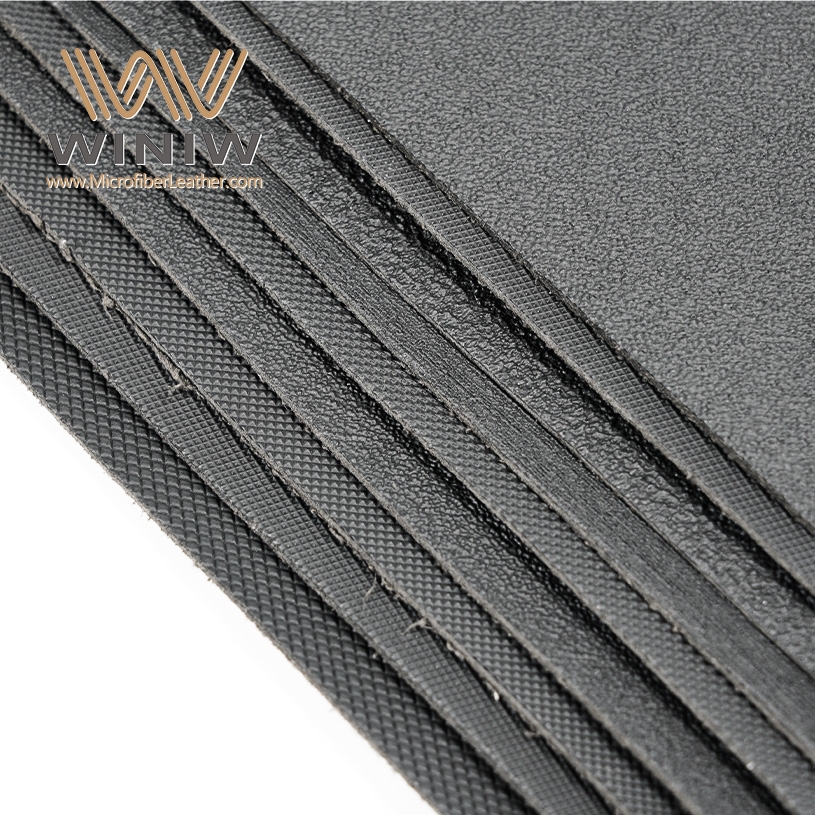
Usted depende del calzado de seguridad para proteger sus pies de los peligros laborales. Los materiales adecuados pueden prevenir lesiones graves al ofrecer resistencia al impacto, resistencia a la compresión y protección contra objetos afilados o peligros eléctricos. Las punteras de acero, aluminio y composite cumplen con estrictos estándares de impacto y compresión. Por ejemplo, estos materiales deben soportar una fuerza de 34 kg y proteger contra una carga de compresión de 1136 kg. Algunos zapatos incluyen protectores metatarsianos para reducir la posibilidad de lesiones en la parte superior del pie. Las suelas resistentes a las perforaciones utilizan placas metálicas o no metálicas para evitar que los objetos afilados penetren. Si trabaja cerca de electricidad, necesita zapatos con resistencia a las descargas eléctricas. Estos zapatos pueden aislar contra voltajes de hasta 18 000 voltios durante un minuto sin fugas de corriente. Algunos zapatos de seguridad también ofrecen propiedades disipadoras de estática, que ayudan a prevenir la acumulación de estática y reducen el riesgo de ignición en entornos inflamables.
Si trabaja con maquinaria pesada, herramientas afiladas o equipos eléctricos, revise siempre la clasificación de seguridad de su calzado. El material adecuado puede marcar la diferencia entre un incidente leve y una lesión grave.
Características de protección clave en el calzado de seguridad:
|
Característica protectora |
Descripción |
|---|---|
|
Resistencia al impacto |
Soporta una fuerza de 75 libras; mantiene un espacio libre de altura interior mínimo |
|
Resistencia a la compresión |
Soporta una fuerza de 2500 libras; la misma distancia que la resistencia al impacto |
|
Protección del metatarso |
Reduce la posibilidad de lesiones en los huesos metatarsianos. |
|
Propiedades conductoras |
Reduce los riesgos derivados de la electricidad estática y la ignición de productos químicos. |
|
Resistencia a descargas eléctricas |
Aísla contra 18.000 voltios a 60 Hz durante 1 minuto. |
|
Disipador estático |
Reduce los riesgos derivados de la baja resistencia del calzado. |
|
Resistencia a la perforación |
Protege contra objetos afilados que penetran la suela. |
|
Resistencia al corte por motosierra |
Escudos contra cortes de motosierra |
|
Aislamiento dieléctrico |
Ofrece aislamiento contra riesgos eléctricos. |
Pasas muchas horas de pie, por lo que la comodidad es tan importante como la protección. Los materiales más suaves y flexibles, como las plantillas de espuma y las partes superiores de tela, reducen la presión en los pies y ayudan a prevenir la fatiga. Los estudios demuestran que los zapatos con partes superiores de tela elástica y entresuelas suaves son los más cómodos. Notarás que las partes superiores de gamuza suave o microfibra se sienten mejor que las de cuero rígido, especialmente si caminas o estás de pie todo el día. Los materiales ligeros, como las punteras de composite y las suelas de EVA, también ayudan a reducir la fatiga del pie. Un calzado más ligero te permite moverte con mayor libertad y mantenerte cómodo durante largas jornadas.
Los zapatos con menor presión en la parte superior del pie se sienten más cómodos.
Las telas elásticas y las entresuelas suaves aumentan la comodidad.
Los materiales ligeros reducen la fatiga y facilitan el movimiento.
Elija zapatos con plantillas acolchadas y parte superior flexible si valora la comodidad durante todo el día.
Quieres que tus zapatos de seguridad duren, especialmente si trabajas en entornos difíciles. El cuero destaca por su durabilidad superior y su resistencia a perforaciones y abrasiones. Suele durar más que... materiales sintéticos , lo que lo convierte en una inversión inteligente para uso a largo plazo. Las partes superiores sintéticas, como la microfibra y la tela, ofrecen ligereza y comodidad, pero tienden a desgastarse más rápido y pueden requerir reemplazos más frecuentes. En cuanto a las suelas, el caucho ofrece alta durabilidad y resistencia a los químicos, mientras que el PU y el EVA ofrecen menor durabilidad pero mayor comodidad.
|
Material |
Durabilidad |
Esperanza de vida |
|---|---|---|
|
Cuero |
Superior, resiste perforaciones/abrasión |
Más duradero que los sintéticos |
|
Sintético |
Menos duradero, se desgasta más rápido. |
Más corto, necesita más reemplazos. |
El cuero resiste un uso intensivo y se adapta a tu pie con el tiempo.
Los materiales sintéticos son más ligeros y económicos, pero pueden no durar tanto.
Si necesita zapatos que puedan soportar condiciones difíciles, el cuero es su mejor opción por su durabilidad.
Necesitas zapatos transpirables para mantener tus pies secos y saludables, especialmente en ambientes calurosos. La parte superior de malla y tela permite la circulación del aire, reduciendo el sudor y ayudando a mantener tus pies frescos. Una buena ventilación previene la acumulación de humedad, lo que reduce el riesgo de ampollas e infecciones por hongos. El cuero también ofrece transpirabilidad y puede tratarse para impermeabilizarse, lo que lo hace versátil para diferentes condiciones de trabajo. Los forros que absorben la humedad, como la microfibra o el poliéster, absorben el sudor de la piel y ayudan a prevenir problemas cutáneos.
La parte superior de malla mejora el flujo de aire y mantiene los pies frescos.
Los forros que absorben la humedad reducen el sudor y disminuyen el riesgo de ampollas.
El cuero equilibra transpirabilidad y durabilidad.
Para lugares de trabajo cálidos o húmedos, priorice el uso de zapatos con parte superior de malla o tela y forros que absorban la humedad.
Puede utilizar la siguiente tabla para comparar rápidamente los principales beneficios y desventajas de los materiales comunes para calzado de seguridad:
|
Tipo de material |
Protección |
Comodidad |
Durabilidad |
Transpirabilidad |
Notas |
|---|---|---|---|---|---|
|
puntera de acero |
Excelente (impacto/compresión) |
Pesado, menos flexible |
Muy durable |
Malo (conduce calor/frío) |
Activa los detectores de metales |
|
Puntera de aluminio |
Bueno (impacto/compresión) |
Más ligero que el acero |
Menos duradero que el acero |
Malo (conduce calor/frío) |
Más caro |
|
Puntera de material compuesto |
Bueno (impacto/compresión) |
Ligero, flexible |
Puede perder durabilidad después del impacto. |
Bueno (no conductor) |
No activa los detectores de metales. |
|
Parte superior de cuero |
Excelente (pinchazo/abrasión) |
Moderado |
Muy durable |
Bien |
Aspecto más pesado y clásico |
|
Parte superior de microfibra |
Bien |
Alto |
Moderado |
Alto |
Fácil de limpiar, apto para veganos. |
|
Parte superior textil |
Justo |
Muy alto |
Menos duradero |
Excelente |
Ligero, ideal para climas cálidos. |
|
Suela de goma |
Excelente (deslizamiento/químico) |
Bien |
Alto |
Moderado |
Pesado, de larga duración |
|
Suela de PU |
Bien |
Superior |
Moderado |
Bien |
Ligero, flexible |
|
Suela de EVA |
Justo |
Excelente |
Bajo |
Bien |
Suave, se desgasta más rápido. |
Utilice esta tabla para combinar su entorno de trabajo y sus necesidades personales con el material de calzado de seguridad adecuado.
El acero, los materiales compuestos, el cuero y el caucho son los mejores materiales para calzado de seguridad. Elija según los riesgos laborales, la comodidad y la durabilidad. En la construcción, las punteras de acero protegen contra impactos. En el sector sanitario, las suelas antideslizantes ayudan a prevenir caídas. Priorice siempre el ajuste, la protección certificada y la calidad duradera para obtener los mejores resultados.
Existen muchos tipos de calzado de seguridad, como calzado con puntera de acero, calzado con puntera de composite, calzado impermeable y calzado resistente a salpicaduras químicas. Cada tipo protege contra diferentes riesgos laborales.
Manténgase más seguro con zapatos resistentes al agua y antideslizantes. Estos zapatos de seguridad mantienen sus pies secos y le ayudan a evitar resbalones en superficies mojadas o aceitosas.
El cuero y el cuero en el calzado de seguridad se benefician de su durabilidad, comodidad y protección. Estos materiales resisten el desgaste y prolongan la vida útil de sus zapatos de seguridad.
Winiw International Co.,Ltd


Escanear a wechat:



 Tel : +86 18150976625
 Correo electrónico : Market@MicrofiberLeather.com