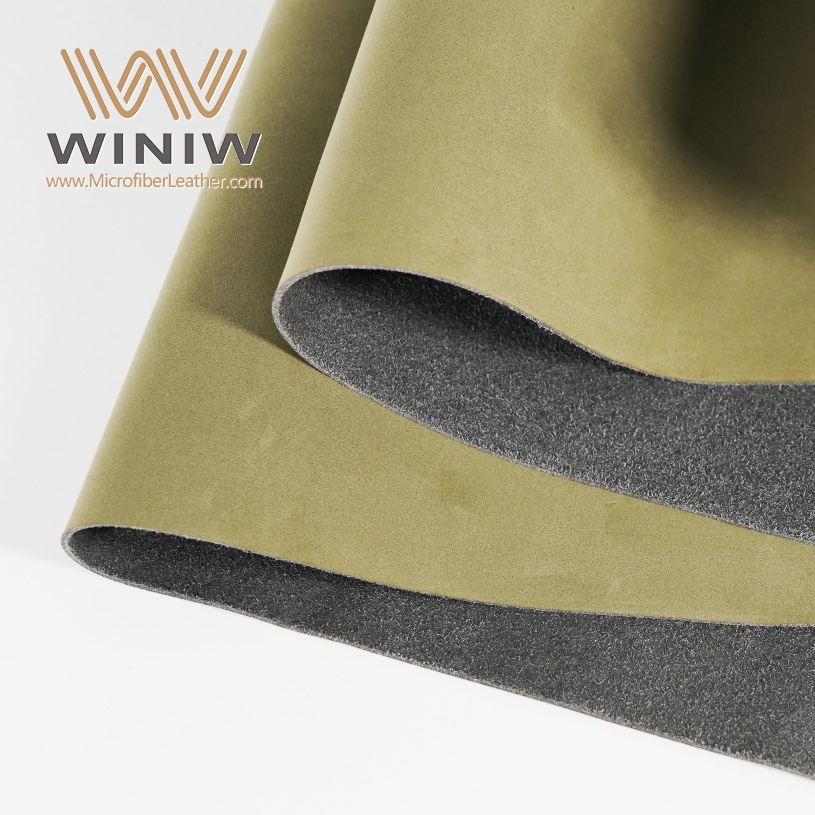
A menudo se encuentra cuero genuino en zapatos que duran años y ofrecen comodidad natural. La parte superior de cuero sintético ofrece calzado asequible, de fácil mantenimiento y apto para veganos. Considere la durabilidad, el costo y las consideraciones éticas antes de elegir. Aquí tiene una breve comparación:
|
Factor |
Parte superior de cuero sintético |
Piel genuina |
|---|---|---|
|
Durabilidad |
Bueno, pero puede que no dure tanto |
Dura muchos años |
|
Comodidad |
Diseñado para la comodidad |
Naturalmente transpirable |
|
Costo |
Más asequible |
Generalmente más caro |
Cuero sintético Ofrece asequibilidad y fácil mantenimiento, lo que lo convierte en una excelente opción para compradores conscientes del presupuesto.
El cuero genuino proporciona comodidad y durabilidad superiores, adaptándose a sus pies con el tiempo para un ajuste personalizado.
Tenga en cuenta su estilo de vida y valores al elegir entre materiales; el cuero sintético es apto para veganos, mientras que el cuero genuino ofrece una calidad duradera.
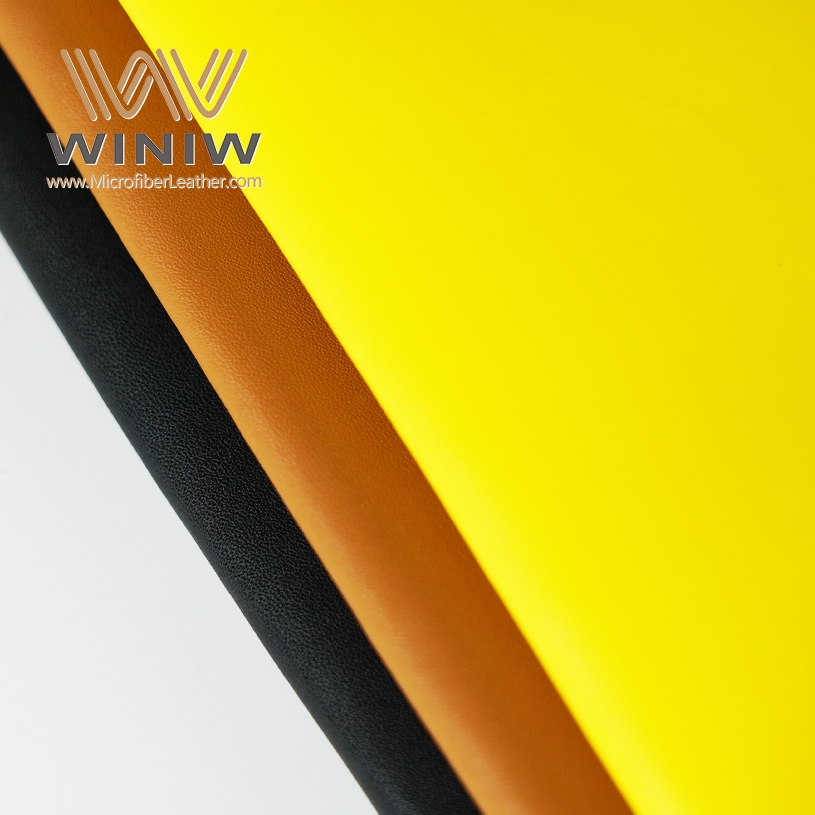
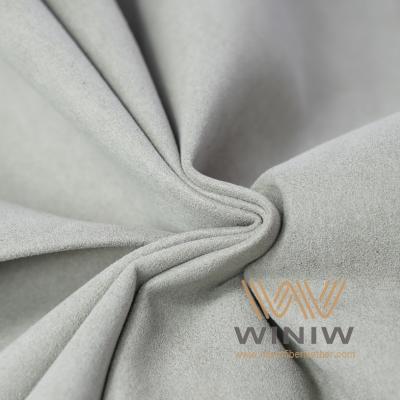
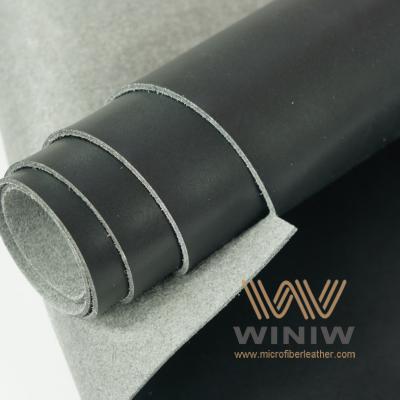
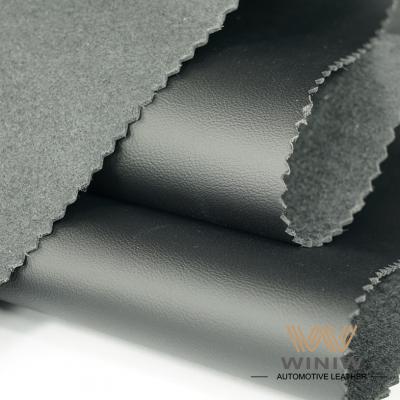
Verás parte superior de cuero sintético Hoy en día, muchos zapatos se utilizan en la creación de calzado de piel sintética. Los fabricantes utilizan materiales como el PU (poliuretano) y el PVC (cloruro de polivinilo). Estas partes superiores sintéticas imitan el aspecto y el tacto del cuero genuino, pero no utilizan piel de origen animal. productos . Cuero vegano , un tipo de imitación, suele proceder de materiales vegetales o reciclados. La siguiente tabla muestra los principales tipos de cuero sintético utilizados en el calzado y sus propiedades:
|
Tipo de cuero sintético |
Propiedades |
Diferencias |
|---|---|---|
|
PU (Poliuretano) |
Versátil, más ligero, resistente al agua. |
Imita muchos tipos de cuero. |
|
PVC (cloruro de polivinilo) |
Durable, menos transpirable. |
A base de plástico, similar al cuero |
|
Cuero vegano |
Fabricado en PU, PVC o plantas. |
Sin productos animales |
Los zapatos de piel sintética ofrecen varias características que atraen al comprador. Obtendrán una apariencia uniforme y una superficie que se siente fría y artificial. Además, repelen el agua, lo que los hace aptos para condiciones húmedas. Notará que son ligeros y fáciles de limpiar. El mercado mundial de la parte superior de piel sintética para calzado continúa creciendo, y los zapatos de piel sintética representaron más del 30 % de los ingresos en 2024. Este crecimiento se debe al aumento de los niveles de ingresos y al desarrollo económico en muchos países.
Al elegir zapatos de piel sintética, se beneficia de su asequibilidad y versatilidad. La parte superior de piel sintética es más resistente al agua y fácil de mantener que la de piel auténtica. Los zapatos de piel sintética atraen a compradores veganos y con conciencia ecológica. Sin embargo, la parte superior sintética puede no durar tanto como la de piel auténtica. Los zapatos de piel sintética suelen carecer de transpirabilidad, lo que puede causar incomodidad en climas cálidos. No desarrollan pátina con el tiempo y pueden mostrar signos de desgaste antes. La siguiente tabla resume las principales ventajas y desventajas:
|
Ventaja |
Descripción |
|---|---|
|
Asequibilidad |
Económico |
|
Versatilidad |
Muchos diseños y colores. |
|
Resistencia al agua |
Adecuado para condiciones húmedas. |
|
Bajo mantenimiento |
Fácil de limpiar |
|
Apto para veganos |
Sin productos animales |
|
Ligero |
Reduce la fatiga del pie |
|
Desventaja |
Descripción |
|---|---|
|
Durabilidad |
Vida útil más corta |
|
Transpirabilidad |
Menos cómodo con el calor |
|
Envejecimiento estético |
Sin desarrollo de pátina |
|
Impacto ambiental |
Efectos de producción sintética |
|
Variación de calidad |
La apariencia y la comodidad pueden variar. |
Consejo: Si buscas zapatos asequibles y fáciles de cuidar, los zapatos de piel sintética con parte superior de cuero sintético podrían ser la opción ideal. Si buscas comodidad duradera, considera otras opciones.
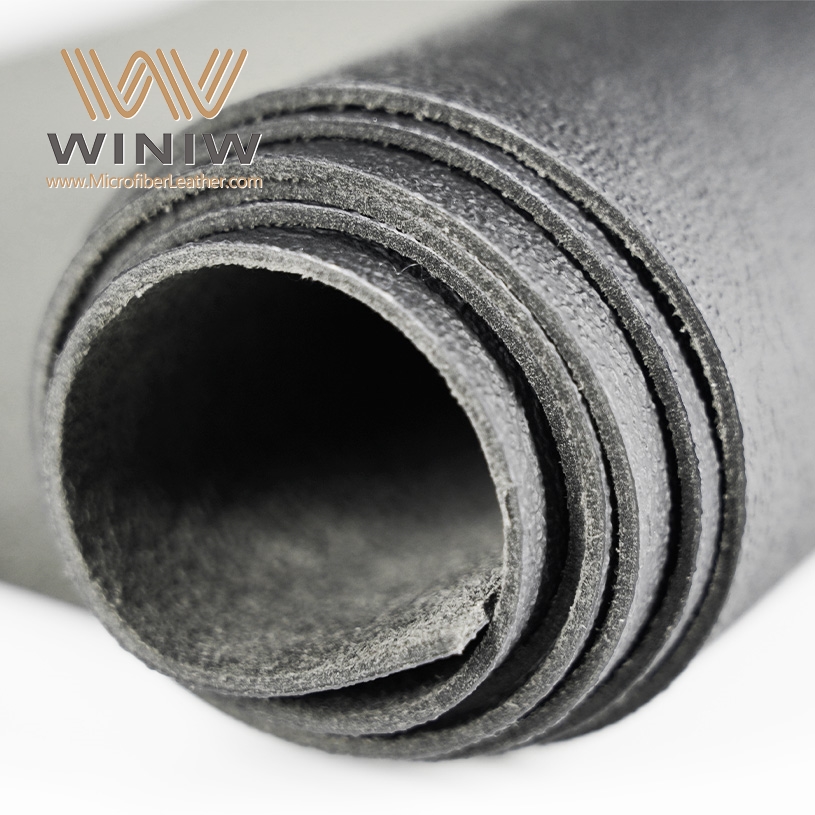
El cuero genuino se encuentra en muchos zapatos de alta calidad. Los fabricantes obtienen pieles de animales como vacas, cabras y ovejas. Procesan estas pieles mediante varios pasos para crear un material duradero para el calzado. Los pasos principales incluyen:
Conservación: Tratamiento de pieles para evitar su descomposición.
Remojo: Rehidratar y limpiar las pieles.
Encalado: Eliminación de proteínas no deseadas.
Despellejar: Quitar el pelo de las pieles.
Descarnado: Extracción del material subcutáneo.
División: corte de pieles en capas.
Reliming: Tratamiento adicional para abrir la piel.
Desencalado: Eliminación de productos químicos utilizados en el descalcificado.
Rendido: Ablandamiento de la piel con proteínas.
Desengrasante: Eliminación de grasas naturales.
Curtido: Conversión de pieles crudas en cuero estable, a menudo utilizando cromo.
El curtido vegetal utiliza taninos de corteza de árbol para dotar al cuero de rigidez y durabilidad. El curtido al cromo curte más rápido y es más económico, pero puede afectar la calidad general.
Los zapatos de cuero auténtico te ofrecen varias ventajas sobre opciones sintéticas :
Transpirabilidad natural y durabilidad.
El material se adapta a tus pies con el tiempo, proporcionando un ajuste personalizado.
El cuero de grano completo conserva la textura y la resistencia, resistiendo el desgaste.
Las plantillas de cuero se adaptan a la forma de tu pie, mejorando la comodidad.
Es necesario un mantenimiento regular para mantener los zapatos de cuero real en óptimas condiciones.
Los zapatos de cuero genuino duran muchos años. Se mantienen cómodos incluso con un uso prolongado porque absorben la humedad y previenen los malos olores. Al elegir calzado de cuero genuino, inviertes en estilo y calidad.
|
Ventajas |
Contras |
|---|---|
|
Durable |
No es tan duradero como el cuero de grano completo o de grano superior |
|
Cómodo |
Susceptible al desgaste con el tiempo. |
|
Atractivo estético |
Mayor costo en comparación con las alternativas sintéticas |
|
Menos costoso que otros tipos de cuero. |
Se puede rasgar y rayar fácilmente. |
|
Se puede teñir o tratar. |
Susceptible a daños por agua |
Consejo: Debes acondicionar el cuero genuino con regularidad para evitar que se agriete y mantener su suavidad. El cuero genuino absorbe la humedad, por lo que debes secar y tratar tus zapatos con cuidado. Los zapatos de cuero genuino requieren más cuidado que los sintéticos, pero te ofrecen comodidad y estilo duraderos.
Quieres zapatos que te sientan bien todo el día. La comodidad y el ajuste dependen de cómo se adapte el material superior a tu pie. El cuero genuino se estira y se adapta a la forma del pie con el tiempo, brindando una comodidad inigualable. El cuero genuino reacciona al calor y la transpiración, creando un ajuste personalizado. El cuero sintético, por otro lado, rara vez se estira ni se adapta. Puedes notar molestias, especialmente con un uso prolongado. Un estudio científico con jugadores de fútbol descubrió que el cuero de canguro proporcionaba un ajuste más ceñido y cómodo que el cuero sintético, que se sentía más suelto. Esto demuestra que el cuero genuino ofrece mayor comodidad y ajuste que el cuero sintético. Si valoras la comodidad, el cuero genuino es la mejor opción.
El cuero genuino se estira y se adapta a tu pie.
Cuero de imitación permanece rígido y puede causar molestias.
El cuero de canguro, un tipo de cuero genuino, proporciona un ajuste ceñido.
|
Material |
Transpirabilidad |
Flexibilidad |
|---|---|---|
|
Piel genuina |
Superior |
Se adapta a la forma del pie con el tiempo. |
|
Cuero sintético |
Menos transpirable |
No se estira ni se adapta eficazmente |
La durabilidad es importante al invertir en calzado. El cuero auténtico y el cuero sintético muestran una clara diferencia en la duración de sus zapatos. El cuero genuino destaca por su durabilidad y longevidad. El cuero más grueso resiste el estrés ambiental y mantiene su calidad. El proceso de curtido y el origen animal también afectan la durabilidad. La piel de vaca y las pieles exóticas son especialmente resistentes. Los zapatos de cuero sintético suelen utilizar tratamientos superficiales sintéticos que se agrietan y se descascarillan con el tiempo. No se observa una pátina real en el cuero sintético, por lo que su apariencia y atractivo estético no mejoran con el tiempo. El cuero sintético suele durar de 2 a 5 años, mientras que el cuero genuino puede durar de 30 a 50 años. Si busca zapatos lujosos y duraderos, elija cuero auténtico.
El grosor del cuero y los métodos de curtido inciden en la durabilidad.
El cuero sintético se agrieta y se delamina, lo que reduce su vida útil.
El cuero genuino desarrolla carácter y resiste el desgaste.
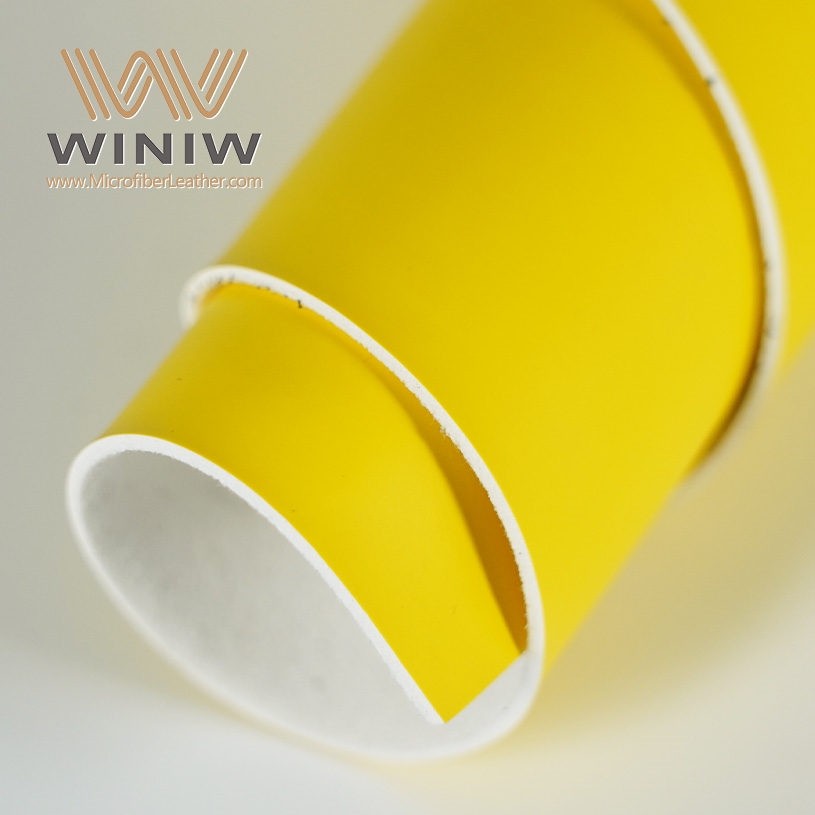
La apariencia y el estilo influyen en la elección de zapatos. El cuero auténtico ofrece un carácter único, imperfecciones naturales y una pátina que se enriquece con el tiempo. El cuero sintético proporciona una textura uniforme y un aspecto sintético. Puede que prefiera la apariencia uniforme del cuero sintético para ciertos estilos, pero el cuero auténtico le ofrece un atractivo lujoso y duradero. La siguiente tabla destaca las diferencias clave:
|
Característica |
Piel genuina |
cuero de imitación |
|---|---|---|
|
Textura |
Imperfecciones naturales y pátina única. |
Textura uniforme |
|
Apariencia |
Carácter y marcas únicas |
Sintético y con menos carácter. |
|
Durabilidad |
Durable, mejora con el tiempo. |
Propenso a agrietarse y pelarse |
|
Transpirabilidad |
Transpirable y flexible |
Más rígido |
Encontrará una gran variedad de acabados y colores para ambos materiales. El cuero semianilina equilibra la apariencia natural con la durabilidad. El cuero pigmentado ofrece un color uniforme y resistencia a las manchas. Nubuck y la gamuza proporcionan texturas suaves pero necesitan un mantenimiento cuidadoso. Charol Proporciona un acabado brillante a los zapatos formales. El cuero pull-up adquiere personalidad con el tiempo. La piel sintética está disponible en una amplia gama de colores y acabados, lo que la convierte en una opción asequible para estilos modernos.
Buscas zapatos fáciles de mantener. El cuero sintético es fácil de limpiar. Solo necesitas un paño húmedo y jabón suave. El cuero sintético es resistente a las manchas y al agua, por lo que dedicas menos tiempo a su cuidado. El cuero auténtico requiere limpieza, acondicionamiento y pulido regulares. Debes evitar el agua y los productos químicos agresivos para evitar daños. Un almacenamiento y una protección adecuados ayudan a mantener la calidad. Las siguientes tablas comparan las rutinas y los costos de mantenimiento:
|
Material |
Limpieza y cuidado |
|---|---|
|
Piel genuina |
Requiere mantenimiento regular, que incluye limpieza, acondicionamiento y pulido. Es sensible al agua y a los productos químicos de limpieza, y un cuidado inadecuado puede provocar daños irreversibles. |
|
Cuero sintético |
Más fácil de limpiar, ya que solo requiere una limpieza básica con un paño húmedo y jabón suave ocasional. Su mantenimiento es más rápido y económico. |
|
Factores |
cuero de imitación |
Cuero auténtico |
|---|---|---|
|
Mantenimiento |
Fácil de mantener y limpiar, resistente a las manchas y al agua. |
Requiere mayor atención y cuidado para mantener la calidad, necesitando limpieza, acondicionamiento y pulido regulares. |
Consejo: Si buscas zapatos que requieran poco esfuerzo, el cuero sintético es la opción más económica. Si prefieres un aspecto lujoso y duradero, invierte tiempo en cuidar el cuero auténtico.
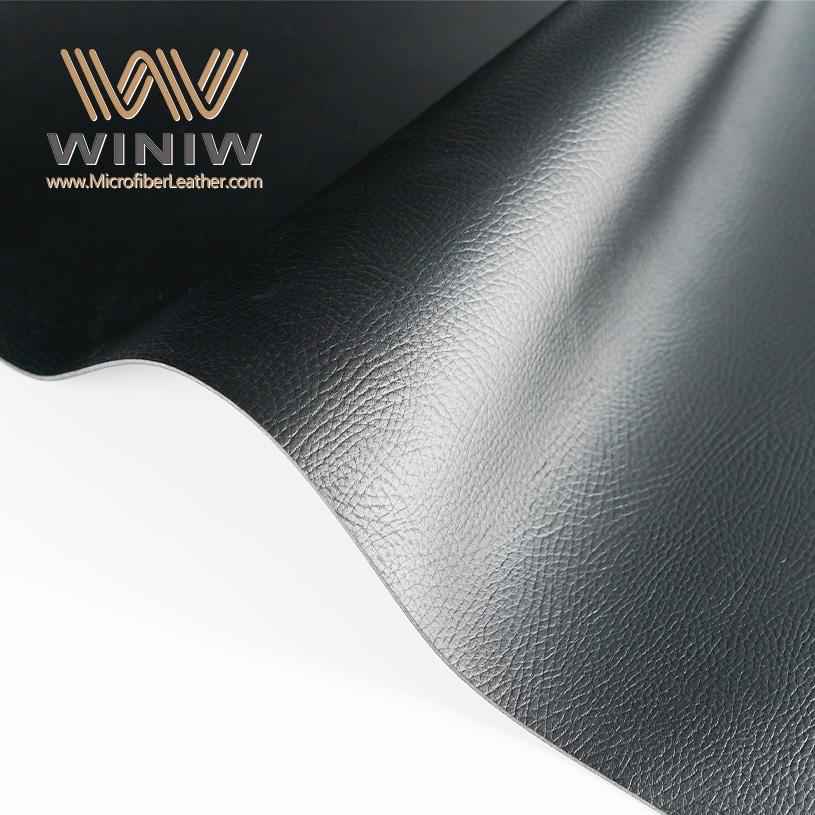
La asequibilidad es fundamental en tu decisión. Los zapatos de cuero genuino son más caros debido a los gastos de adquisición y curtido. Pagas por la calidad y la durabilidad. Los zapatos de cuero sintético son mucho más asequibles, lo que los hace accesibles para compradores con presupuesto ajustado. El rango de precios de los zapatos de cuero genuino oscila entre $120 y $250. Los zapatos de cuero sintético suelen costar entre $30 y $50. Los costos de producción del cuero sintético son más bajos, por lo que los minoristas pueden ofrecer estos zapatos a un precio más bajo. Si buscas una opción asequible, el cuero sintético se ajusta a tu presupuesto. Si buscas calidad y durabilidad, el cuero genuino justifica su mayor costo.
|
Tipo de parte superior |
Gama de precios |
|---|---|
|
Piel genuina |
$120 – $250 |
|
Cuero sintético |
$30 – $50 |
El cuero genuino es más caro debido a su origen y al curtido.
El cuero sintético ofrece asequibilidad y atrae a los compradores con presupuesto limitado.
La durabilidad y longevidad del cuero real pueden compensar el mayor costo inicial.
La sostenibilidad y la ética son importantes al elegir calzado. La producción de cuero genuino genera mayores emisiones de carbono: el cuero vacuno produce 40,7 kg de CO2e, en comparación con los 5,8 kg de CO2e del cuero sintético de PU. El proceso de curtido utiliza productos químicos tóxicos como el cromo, que perjudican al medio ambiente y a los trabajadores. Los residuos de las curtidurías son altamente contaminantes. El cuero sintético evita las preocupaciones sobre el bienestar animal, lo que lo convierte en una alternativa vegana. Sin embargo, depende de materiales derivados del petróleo y se descompone en microplásticos, lo que causa contaminación a largo plazo. El cuero genuino puede biodegradarse según los métodos de curtido y regresar a la tierra. El cuero sintético dura solo de 2 a 5 años, por lo que los reemplazos frecuentes aumentan su impacto ambiental. Debe sopesar la sostenibilidad, la ética y la durabilidad al elegir entre cuero genuino y cuero sintético.
El cuero genuino plantea preocupaciones medioambientales y de bienestar animal.
El cuero sintético es apto para veganos, pero contribuye a la contaminación por microplásticos.
El cuero auténtico puede biodegradarse, mientras que el cuero sintético persiste en el medio ambiente.
Nota: Si prioriza la sostenibilidad y la ética, considere el ciclo de vida completo de sus zapatos. El cuero genuino ofrece durabilidad y longevidad, pero el cuero sintético ofrece una alternativa vegana con menores emisiones iniciales de carbono.
Necesitas zapatos que te brinden soporte durante largas jornadas. El cuero genuino te brinda comodidad y durabilidad, adaptándose a tus pies con el tiempo. Cuero de imitación Ofrecen una limpieza fácil y son resistentes al agua, lo que las hace prácticas para las rutinas más ajetreadas. Si buscas botas para uso diario, las botas de cuero auténtico duran más y se sienten mejor con el tiempo. Las opciones de imitación son ideales si prefieres zapatos ligeros y de fácil mantenimiento.
El estilo importa al vestirse para ocasiones especiales. Los zapatos de cuero auténtico ofrecen un aspecto lujoso y desarrollan una pátina única. Los zapatos de piel sintética ofrecen una apariencia elegante y uniforme, y están disponibles en una gran variedad de colores. Si busca un estilo clásico, elija cuero auténtico. El cuero sintético le permite seguir las tendencias sin gastar mucho.
|
Criterios |
Cuero auténtico |
cuero de imitación |
|---|---|---|
|
Apariencia |
Lujoso |
De moda |
|
Longevidad |
Alto |
Moderado |
|
Mantenimiento |
Necesita cuidados |
Fácil |
La comodidad y el soporte son esenciales para practicar deportes y actividades al aire libre. El cuero auténtico ofrece durabilidad y se adapta a la forma del pie. El cuero sintético y otros materiales sintéticos proporcionan transpirabilidad y ligereza. Si necesitas botas para senderismo, las botas de cuero auténtico protegen tus pies y duran años. Los zapatos de cuero sintético son ideales para usos cortos y condiciones húmedas.
Tu presupuesto y tus valores influyen en tu decisión. Los zapatos de piel sintética son más económicos y te permiten cambiar de estilo con frecuencia. El cuero auténtico es una inversión a largo plazo. Si te preocupa la sostenibilidad, considera cómo el cuero sintético evita el uso de productos animales, pero puede afectar al medio ambiente con plásticos. El cuero auténtico dura más y puede biodegradarse, pero requiere más recursos.
Consejo: Al elegir entre cuero real y cuero sintético, piense en el estilo, el presupuesto y el cuidado que desea brindarle a sus zapatos.
Debes comparar la parte superior de los zapatos en función de la durabilidad, la comodidad, la transpirabilidad, el mantenimiento y el presupuesto.
|
Factor |
Piel genuina |
Cuero sintético |
|---|---|---|
|
Durabilidad |
Alto |
Moderado |
|
Comodidad |
Se adapta a la forma del pie. |
Menos cómodo |
|
Transpirabilidad |
Excelente |
Limitado |
|
Mantenimiento |
Necesita cuidados |
Fácil de limpiar |
|
Presupuesto |
Mayor costo |
Menor costo |
Elija cuero por su comodidad y valor a largo plazo.
Elija sintético por su fácil cuidado y asequibilidad.
Tenga en cuenta su estilo de vida y el nivel de mantenimiento que prefiere.

Puedes limpiar zapatos de piel sintética con un paño húmedo. Evita remojarlos. Usa un jabón suave para las manchas difíciles. Sécalos al aire libre para obtener mejores resultados.
Los zapatos de cuero genuino se estiran y se adaptan a tus pies con el uso. Esto crea un ajuste cómodo y personalizado. Úsalos con regularidad para obtener mejores resultados.
|
Tipo superior |
Resistencia al agua |
|---|---|
|
Alto |
|
|
Piel genuina |
Bajo |
El cuero sintético es más resistente al agua. Deberías elegirlo para condiciones húmedas.
Winiw International Co.,Ltd


Escanear a wechat:



 Tel : +86 18150976625
 Correo electrónico : Market@MicrofiberLeather.com