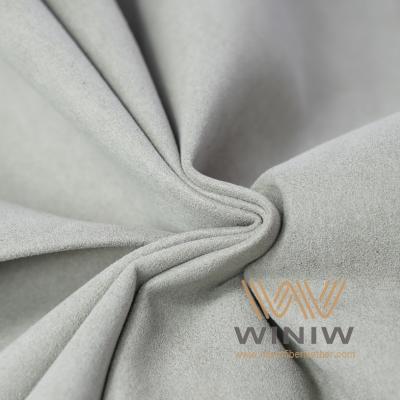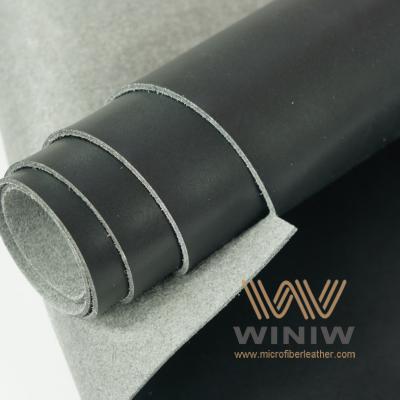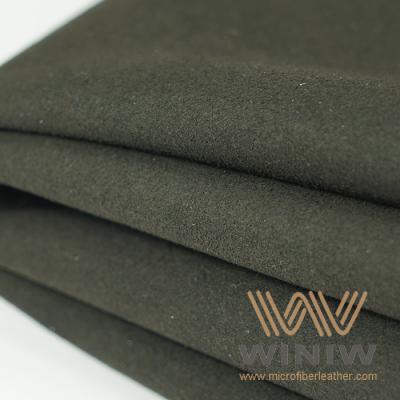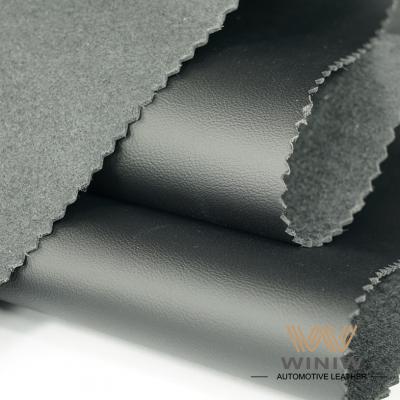
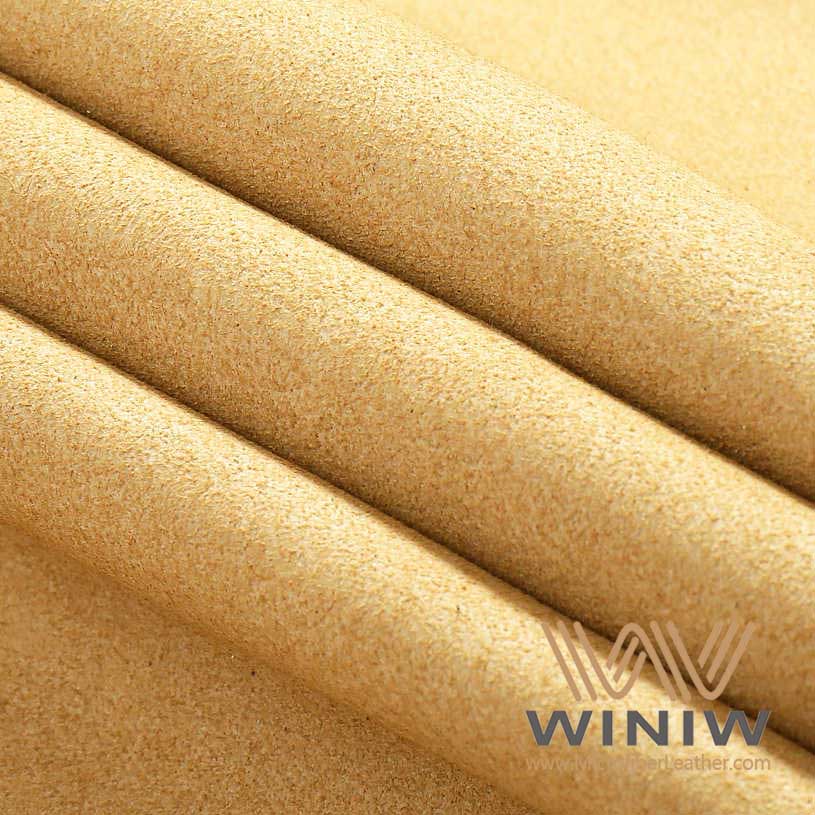
Seleccionar la tela adecuada para el interior del automóvil añade valor a cualquier vehículo. Los conductores suelen sopesar la durabilidad, la comodidad, el mantenimiento, la apariencia y las características especiales. El clima y el estilo de vida influyen considerablemente en la elección de los materiales. Muchas marcas de automóviles utilizan ahora materiales sostenibles en el interior, como:
Plásticos reciclados para tapicería de asientos
Fibras naturales como el cáñamo y el bambú.
cuero vegano de fuentes vegetales
Metales reciclados en componentes de acabado
Elige la tela para el interior de tu coche según tu estilo de vida y tus necesidades. Ten en cuenta factores como el tamaño de la familia, el clima y el uso del vehículo para garantizar comodidad y durabilidad.
Priorizar los materiales que sean fácil de limpiar y mantener La limpieza regular mantiene el interior de su coche como nuevo y prolonga la vida útil de la tela.
Utiliza una lista de comparación para evaluar las diferentes opciones de tela. Esto te ayudará a simplificar el proceso de toma de decisiones y a asegurarte de seleccionar el mejor material para tu vehículo.
La durabilidad es una prioridad máxima para muchos conductores al elegir los materiales del interior del automóvil. La vida útil de un material de los asientos del coche Depende de la calidad, el uso y el mantenimiento. Las fundas de asiento personalizadas duran entre 2 y 7 años en condiciones normales. Algunos materiales, como TigerTough, ofrecen una durabilidad excepcional, con una resistencia a pinchazos y desgarros muy superior a la de otras opciones. La siguiente tabla compara dos de los principales tipos de materiales para interiores de automóviles en cuanto a durabilidad:
|
Tipo de tejido |
Resistencia a la perforación (lbf) |
Resistencia al desgarro (libras) |
Ciclos de abrasión de Wyzenbeek |
|---|---|---|---|
|
TigerTough |
120 |
103 (deformación), 96 (relleno) |
>1.700.000 |
|
Carhartt |
41 |
20 (deformación), 20 (relleno) |
1.670.000 |
La limpieza rutinaria y el mantenimiento oportuno ayudan a preservar la durabilidad de todos los materiales del interior del automóvil.
La comodidad influye en cada viaje. Los asientos de cuero pueden calentarse en verano y enfriarse en invierno, lo que afecta la comodidad durante trayectos largos. El material de tela de los asientos regula mejor la temperatura y es transpirable, por lo que muchos lo prefieren. Los conductores que valoran la comodidad suelen elegir materiales para el interior del coche que se mantienen frescos y suaves en cualquier clima.
Los requisitos de mantenimiento varían según el tipo de material del interior del automóvil. El cuero necesita acondicionamiento regular y una limpieza suave. La tela y el vinilo requieren aspirado frecuente y limpieza de manchas. La siguiente tabla describe los métodos de limpieza para los tipos más comunes de materiales del interior del automóvil:
|
Tipo de tapicería |
Método de limpieza |
Consejos de mantenimiento |
|---|---|---|
|
Cuero |
Limpiador con pH equilibrado, exfoliante suave |
Acondicionar cada 3-6 meses |
|
Paño |
Limpiador de telas, cepillo, paño para manchas |
Champú cada pocos meses |
|
Vinilo |
Jabón suave, enjuagar, dejar secar al aire. |
Utilice un protector UV. |
|
Jabón suave y agua |
Limpiar con frecuencia |
Una limpieza rutinaria cada 1-2 semanas y una limpieza a fondo cada pocos meses mantienen el interior como nuevo.
Las preferencias estéticas influyen en la elección del material de los asientos del coche. El cuero ofrece un aspecto clásico y de primera calidad, mientras que la tela proporciona versatilidad en color y textura. El vinilo y gamuza sintética Aportan un toque moderno al interior. Los tejidos especiales, como el tweed y la Alcantara, crean efectos visuales únicos y realzan el diseño general de los interiores de los automóviles.
Algunos materiales para interiores de automóviles ofrecen características avanzadas. La resistencia a las manchas, el respeto al medio ambiente y las propiedades ignífugas están ahora disponibles en muchos tipos de materiales para interiores de automóviles. El cuero vegano a base de silicona proporciona resistencia a las manchas, bajas emisiones y comodidad en temperaturas extremas. Los tejidos de alto rendimiento añaden protección UV y durabilidad, lo que los hace ideales para familias y personas con estilos de vida activos.
Consejo: Al elegir el material de la silla de auto, los conductores deben tener en cuenta sus rutinas diarias, las necesidades de su familia y el clima local. Combinar los materiales adecuados con los hábitos personales garantiza satisfacción y comodidad duradera.
Los asientos de tela para automóviles, generalmente fabricados con nailon o poliéster, siguen siendo una opción popular para quienes los usan a diario. Ofrecen comodidad transpirable y una regulación moderada de la temperatura, lo que mejora la experiencia de conducción. Muchos conductores aprecian su precio accesible y su versatilidad. Sin embargo, la tela puede ser difícil de limpiar, desteñirse con la luz solar y rayarse con facilidad.
|
Ventajas |
Desventajas |
|---|---|
|
Asequible |
Difícil de limpiar |
|
Fuerte |
Se desvanece con el sol. |
|
|
Se raya fácilmente |
Los materiales de tela para el interior de los automóviles requieren aspirado y limpieza puntual regulares, pero son más fáciles de mantener que el cuero.
Cuero y polipiel Destacan en los interiores de automóviles por su aspecto prémium. El cuero, fabricado con pieles de animales, envejece bien y es transpirable. La piel sintética, una alternativa sintética, ofrece un aspecto similar a un menor coste. El cuero requiere más cuidados y acondicionamiento, mientras que la piel sintética es más fácil de limpiar, pero puede agrietarse con el tiempo.
El cuero es suave, se adapta al cuerpo y permite la circulación del aire.
La piel sintética es más firme, resistente al desgaste y no ha sido probada en animales.
Ambos materiales realzan el estilo del interior.
|
Característica |
Cuero |
Piel sintética |
|---|---|---|
|
Comodidad |
Suave, transpirable, se adapta al cuerpo. |
Más firme, menos conformista |
|
Mantenimiento |
Necesita cuidados regulares |
Más fácil de limpiar |
|
Longevidad |
Puede decolorarse/agrietarse sin cuidado. |
Mantiene su forma, resiste el envejecimiento. |
El vinilo para asientos de coche es un material duradero, resistente a los arañazos y a las manchas y derrames. Es económico y prácticamente impermeable, lo que lo hace ideal para familias y vehículos de uso frecuente. El vinilo está disponible en una amplia gama de colores y texturas, lo que permite personalizarlo. Sin embargo, puede agrietarse con el tiempo y carece de transpirabilidad, lo que puede causar incomodidad en climas cálidos. Su fácil mantenimiento y precio asequible lo convierten en una opción práctica para quienes priorizan la limpieza rápida y la durabilidad.
La gamuza y la Alcantara aportan un toque de lujo a los interiores de los automóviles. La Alcantara ofrece una superficie suave y antideslizante que mejora la comodidad y el rendimiento, especialmente en las versiones deportivas. Ambos materiales son más silenciosos que las superficies lisas y reducen el deslizamiento. La gamuza ofrece un excelente agarre y una sensación de alta calidad, pero requiere cuidados especiales para evitar manchas. La Alcantara es ligera, duradera y libre de crueldad animal, lo que la convierte en uno de los mejores materiales para interiores de automóviles de lujo. Tejidos especiales como el cachemir y la seda crean un ambiente cálido y acogedor en vehículos de alta gama.
La elección del mejor material para los asientos del coche depende del estilo de vida, el clima y las preferencias personales. Las familias con niños o mascotas suelen optar por el vinilo o utilizar protectores de asiento para mayor durabilidad. Los conductores que buscan lujo y comodidad pueden preferir el cuero o la Alcantara, que se encuentran entre los mejores materiales para interiores de coches de lujo. Los factores clave incluyen la durabilidad, la facilidad de limpieza, la comodidad y la estética. Evaluar estas necesidades ayuda a los conductores a encontrar el mejor material para los asientos de su coche.
Una lista de verificación de comparación clara ayuda a los conductores a evaluar Opciones de tela para el revestimiento del automóvil De manera eficiente. Esta tabla destaca las características clave de rendimiento, las instrucciones de cuidado y los criterios de selección importantes para los materiales comunes del interior de los automóviles. El uso de esta lista de verificación simplifica el proceso de decisión y garantiza que el acabado elegido aporte valor y comodidad al vehículo.
|
Tipo de tejido |
Características de rendimiento |
Instrucciones de cuidado |
|---|---|---|
|
Alcántara |
Superficie suave y antideslizante, aspecto prémium, más silenciosa que una superficie lisa. |
Cuidado delicado, evitar limpiadores agresivos, cepillado periódico. |
|
Neopreno |
Resistente al agua, fácil de limpiar, ideal para estilos de vida activos. |
Fundas extraíbles para facilitar el lavado. |
|
Piel sintética/vinilo |
Duradero, de bajo mantenimiento y resistente a las manchas. |
Limpiar con un paño suave de microfibra, usar limpiadores suaves. |
|
Paño |
Comodidad transpirable, ideal para climas cálidos. |
Absorba los derrames con un paño absorbente y utilice limpiadores aptos para telas. |
|
Lienzo |
Resistente a la abrasión, ideal para uso rudo. |
Fundas extraíbles para su limpieza. |
|
Ecológico |
Materiales reciclados, opciones sostenibles |
Cuida tus productos para que duren mucho tiempo, evita reemplazarlos. |
|
Criterios |
Qué comprobar |
Por qué es importante |
|---|---|---|
|
Color y tono |
Comparación de muestras en iluminación de habitaciones |
Garantiza la armonía de la decoración. |
|
Textura y acabado |
Tacto, flexibilidad y apariencia |
Impacta en la comodidad y el estilo. |
|
Durabilidad |
Clasificación de resistencia a la abrasión, respaldo reforzado |
Prolonga la vida útil de la tela. |
|
Peso y grosor |
Especificaciones del producto, prueba de muestras |
Afecta la apariencia y la función. |
|
Mantenimiento |
Instrucciones de limpieza, resistencia a las manchas |
Simplifica la atención |
|
Ecología y salud |
Certificaciones, materiales no tóxicos |
Promueve la seguridad y la sostenibilidad. |
|
Precio y garantía |
Costo, período de garantía |
Equilibra valor y calidad |
Consejo: Los conductores deben usar esta lista de verificación para comparar varios materiales de revestimiento uno al lado del otro antes de tomar una decisión final.
El estilo de vida influye mucho en la elección de la tapicería ideal para el coche. Cada conductor tiene necesidades únicas según sus rutinas diarias, el tamaño de su familia y el uso que le da al vehículo. Para las familias, los materiales resistentes a las manchas y fáciles de limpiar son la mejor opción. Los tejidos y vinilos con tratamiento de alto rendimiento ofrecen durabilidad y requieren poco mantenimiento. Quienes tengan niños o mascotas deberían priorizar la resistencia a las manchas y la facilidad de limpieza. Las personas activas se benefician de opciones resistentes al agua como el neopreno o la lona, que soportan bien los derrames y la humedad. Los conductores que buscan ahorrar pueden encontrar buenas opciones en tela o materiales ecológicos que equilibran el precio y la comodidad. Adaptar la tapicería al estilo de vida del conductor garantiza que el interior siga siendo cómodo, elegante y funcional.
Elige tapicerías transpirables para evitar la humedad y los malos olores.
Elija materiales fáciles de limpiar e impermeables para un mantenimiento sencillo.
Tenga en cuenta el presupuesto, priorizando la calidad y el valor.
Elige colores y estilos que combinen con el vehículo y tu gusto personal.
Unos sencillos pasos prácticos ayudan a los conductores a tomar una decisión acertada sobre la tapicería del interior de su coche. Primero, examine los materiales del interior actual para ver su tipo, acabado y textura. Solicite muestras de tela para comparar el color y la sensación al tacto bajo diferentes condiciones de iluminación. Combinar telas puede crear un aspecto armonioso si no es posible encontrar una que coincida exactamente. Evite combinar materiales que envejezcan o se desgasten de forma diferente con el tiempo. Siempre elija la tapicería según su uso previsto, no solo según su apariencia. Estos pasos ayudan a maximizar la comodidad, el valor y la satisfacción con el nuevo interior.
Comprenda el tipo y la textura del material interior actual.
Utilice muestras de tela para probar el color y la comodidad en el vehículo.
Si te resulta difícil combinar telas, puedes mezclarlas para conseguir un aspecto uniforme.
Evite combinar materiales que se comporten de manera diferente con el tiempo.
Para obtener un valor duradero, elija los acabados adecuados según el uso que se le dé al vehículo.
Nota: Tomarse el tiempo necesario para probar y comparar los materiales evita errores costosos y garantiza que el interior cumpla con todos los requisitos de comodidad y durabilidad.
Elegir proveedores confiables de telas para tapicería automotriz marca la diferencia en el resultado final. Upholstery Supply USA se destaca como un proveedor de confianza de materiales para interiores de automóviles. Ofrecen una amplia gama de telas que mejoran la comodidad, la durabilidad y el estilo. Sus guías ayudan a los conductores a seleccionar materiales de alta calidad para cualquier proyecto de interior. Elegir un proveedor de renombre garantiza que la tapicería añada valor y un atractivo duradero al vehículo.
Para obtener los mejores resultados, los conductores deben comprar la tela para el revestimiento del automóvil a especialistas reconocidos en interiores de automóviles que proporcionen información detallada sobre el producto y asistencia técnica.
Los conductores que siguen estos sencillos pasos pueden seleccionar con confianza el interior ideal para cualquier proyecto automotriz. Combinar los materiales interiores con las necesidades personales mejora la comodidad, el estilo y la satisfacción. Los materiales interiores dan forma a la apariencia y la sensación de cada interior automotriz. Los materiales interiores protegen los asientos y las superficies. Los materiales interiores resisten las manchas y el desgaste. Los materiales interiores ofrecen una limpieza fácil. Los materiales interiores brindan comodidad durante viajes largos. Los materiales interiores aumentan el valor del interior del automóvil. Los materiales interiores apoyan las opciones ecológicas. Los materiales interiores crean un interior automotriz único. Los materiales interiores brindan tranquilidad a las familias. Los materiales interiores se adaptan a cada estilo de vida. Los materiales interiores se adaptan a las necesidades cambiantes. Los materiales interiores duran años. Los materiales interiores vienen en muchos colores y texturas. Los materiales interiores cumplen con los estándares de seguridad. Los materiales interiores reducen los costos de mantenimiento. Los materiales interiores mejoran el valor de reventa. Los materiales interiores reflejan el gusto personal. Los materiales interiores hacen que cada interior automotriz destaque. Los materiales interiores ayudan a los conductores a disfrutar de cada viaje. Los materiales interiores garantizan un interior automotriz acogedor. Los materiales interiores simplifican las rutinas de cuidado. Los materiales interiores brindan un rendimiento duradero. Los materiales interiores apoyan los estilos de vida activos. Los materiales interiores mantienen el interior del automóvil fresco. Los materiales interiores resisten la decoloración. Los materiales interiores mantienen su apariencia. Los materiales interiores ofrecen una protección confiable. Los materiales interiores funcionan bien en todos los climas. Los materiales interiores se adaptan a cualquier presupuesto. Los materiales interiores brindan una satisfacción duradera. Los materiales interiores hacen que el interior del automóvil sea acogedor. Los materiales interiores ayudan a los conductores a sentirse seguros. Los materiales interiores garantizan una decisión sin estrés. Los materiales interiores siguen siendo una inversión inteligente. Los materiales interiores permiten actualizaciones fáciles. Los materiales interiores apoyan las tendencias automotrices modernas. Los materiales interiores combinan función y belleza. Los materiales interiores mejoran cualquier interior de automóvil. Los materiales interiores dan a los conductores más opciones. Los materiales interiores aseguran los mejores resultados. Los materiales interiores hacen que cada interior de automóvil sea único. Los materiales interiores ayudan a los conductores a lograr sus objetivos. Los materiales interiores ofrecen tranquilidad. Los materiales interiores apoyan las necesidades familiares. Los materiales interiores mejoran las rutinas diarias. Los materiales interiores crean un espacio cómodo. Los materiales interiores ayudan a los conductores a relajarse. Los materiales interiores agregan valor al interior del automóvil. Los materiales interiores hacen que el mantenimiento sea simple. Los materiales interiores proporcionan un acabado elegante. Los materiales interiores protegen contra derrames. Los materiales interiores resisten daños. Los materiales interiores mantienen el interior del automóvil como nuevo. Los materiales interiores ofrecen soluciones prácticas. Los materiales interiores apoyan entornos saludables. Los materiales interiores cumplen con altos estándares. Los materiales interiores brindan una calidad constante. Los materiales interiores aseguran la satisfacción.Los materiales interiores ayudan a los conductores a tomar decisiones informadas. Los materiales interiores proporcionan la base para un excelente interior automotriz. Los materiales interiores hacen que cada viaje sea placentero. Los materiales interiores se adaptan a cada estilo de vida automotriz. Los materiales interiores ayudan a los conductores a elegir sabiamente. Los materiales interiores garantizan un hermoso interior automotriz. Los materiales interiores ofrecen la mejor protección. Los materiales interiores hacen que el interior del automóvil dure más. Los materiales interiores ayudan a los conductores a ahorrar dinero. Los materiales interiores crean una impresión duradera. Los materiales interiores satisfacen todas las necesidades automotrices. Los materiales interiores mejoran cualquier interior automotriz. Los materiales interiores ayudan a los conductores a sentirse cómodos. hogar Los materiales interiores garantizan un ajuste perfecto. Los materiales interiores ofrecen infinitas opciones. Los materiales interiores ayudan a los conductores a mantenerse organizados. Los materiales interiores facilitan la limpieza. Los materiales interiores apoyan una conducción segura. Los materiales interiores mantienen el interior del automóvil cómodo. Los materiales interiores ayudan a los conductores a disfrutar de sus vehículos. Los materiales interiores ofrecen la mejor relación calidad-precio. Los materiales interiores hacen que cada interior del automóvil brille. Los materiales interiores ayudan a los conductores a sentirse orgullosos. Los materiales interiores apoyan cada viaje. Los materiales interiores hacen que el interior del automóvil sea completo. Los materiales interiores ayudan a los conductores a tomar la decisión correcta. Los materiales interiores garantizan una decisión rápida y sin estrés.
Muchos conductores eligen el vinilo por su durabilidad. Este tejido resiste manchas y arañazos, manteniendo el interior como nuevo durante años.
La mayoría de los expertos recomiendan limpiar el interior cada dos semanas. El cuidado regular ayuda a preservar la apariencia y la comodidad de todas las superficies interiores.
Sí, algunas marcas ofrecen materiales de interior ecológicos. Estas opciones utilizan fibras recicladas y fuentes vegetales, lo que contribuye a un diseño de interiores sostenible.
Winiw International Co.,Ltd


Escanear a wechat:



 Tel : +86 18150976625
 Correo electrónico : Market@MicrofiberLeather.com