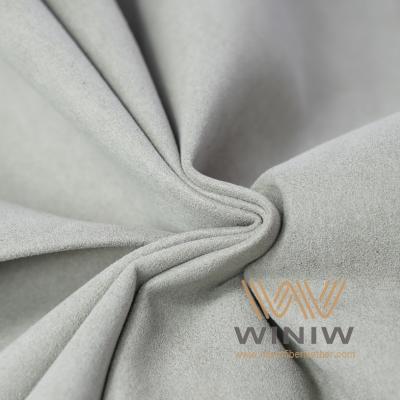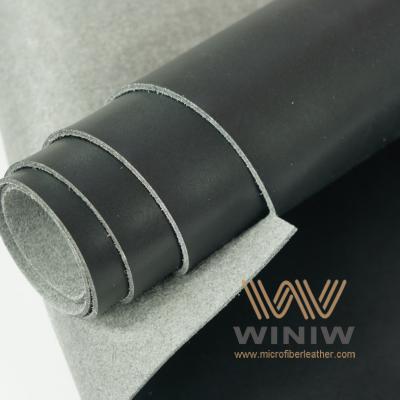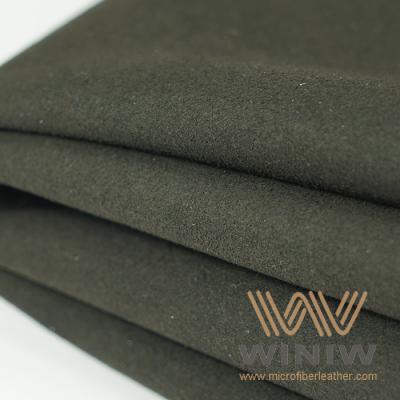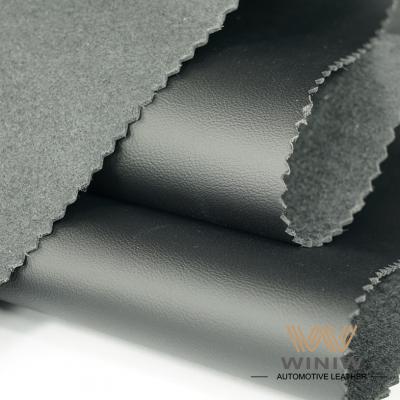
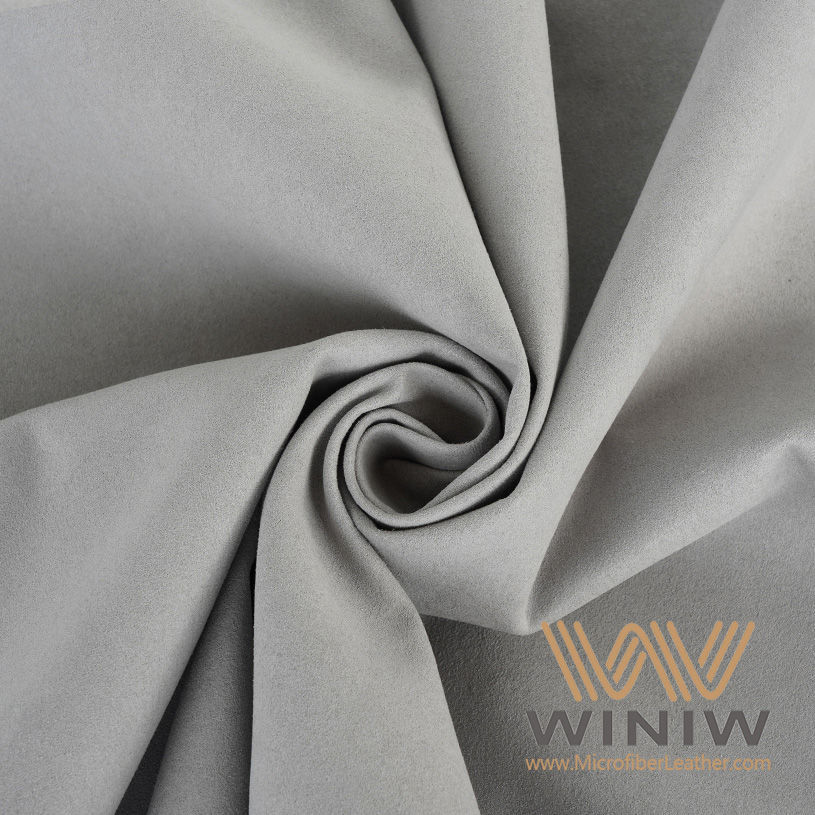
Es fundamental elegir el cuero adecuado para tus zapatos. Muchos principiantes comienzan con materiales caros y los desperdician durante la práctica. Prueba primero con retazos de cuero más económicos. La fuerte demanda mundial de zapatos de alta gama eleva los precios, especialmente para los cueros de plena flor y exóticos. Considera el impacto ambiental, como el uso de productos químicos en el curtido y el abastecimiento sostenible. Esta guía te ayudará a elegir el cuero ideal para tus zapatos.
Empieza con retazos de cuero económicos para practicar la fabricación de calzado sin desperdiciar materiales caros.
Elige el tipo de cuero correcto Según las partes del calzado: cuero resistente para las suelas, cuero transpirable para los forros y cuero estético para la parte superior.
Inspeccione cuidadosamente la calidad del cuero, comprobando si hay imperfecciones y utilizando la prueba de la gota de agua para asegurarse de que está seleccionando cuero auténtico.
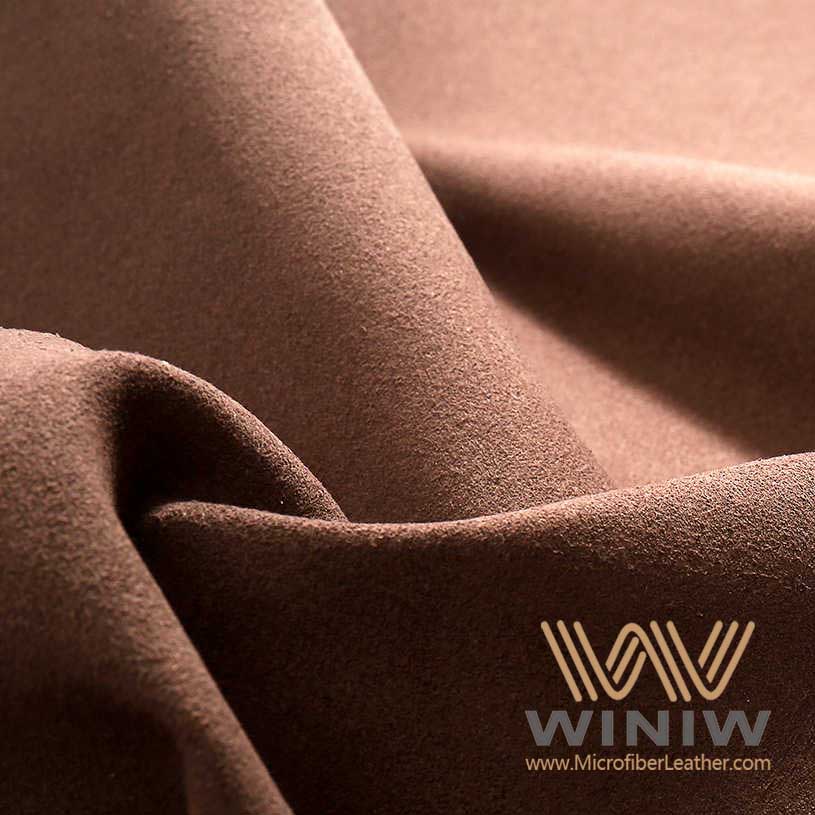
Al elegir el cuero para calzado, es importante conocer los principales tipos disponibles y sus propiedades únicas. Cada tipo de cuero ofrece diferentes beneficios para la fabricación de zapatos. La siguiente tabla destaca algunas de las opciones más recomendadas:
|
Tipo de cuero |
Características |
|---|---|
|
Piel de becerro |
De alta calidad, grano fino, duradero, flexible, se adapta bien a los pies, propenso a las rozaduras pero desarrolla pátina. |
|
Curtido vegetal |
Orgánico, rígido, colores limitados, se oscurece con el tiempo, requiere múltiples tratamientos, no es resistente al agua. |
|
Acabado de alto brillo, para ocasiones formales, principalmente en color negro, sustituido por plásticos para uso informal. |
|
|
Cuero de búfalo |
Duradero, poroso, granulado, con un 40 % más de resistencia a la tracción que la piel de becerro, cómodo y suave. |
|
Los materiales sintéticos, de baja calidad y aptos para veganos, que no son cuero auténtico, deben evitarse a menos que sea necesario. |
También encontrarás otras pieles de animales utilizadas en la fabricación de calzado. La piel de búfalo destaca por su durabilidad, lo que la convierte en una buena opción para calzado de uso rudo. La piel de cabra es flexible y resistente, y se usa a menudo para zapatos económicos. El cuero cordobán es muy duradero y se encuentra en zapatos de alta gama. La piel de ciervo y la de alce son resistentes, suaves y ligeras, adecuadas para calzado de primera calidad. La piel de cordero es otra opción suave y lujosa, a menudo elegida para forros o zapatos de moda.
Es fundamental prestar atención a la firmeza, la textura y el acabado del cuero para los zapatos. Estas cualidades influyen en el rendimiento y la sensación al tacto del material.
Firmeza Esto se refiere a la rigidez o suavidad del cuero. El cuero firme mantiene su forma y es ideal para zapatos o botas estructuradas. El cuero más suave se dobla fácilmente y se adapta mejor a diseños informales o que priorizan la comodidad.
Temperamento El temple describe la flexibilidad y la capacidad de retención de la forma del cuero. Puede elegir entre varios tipos:
Suave: Muy flexible, ideal para prendas de vestir o tapicería.
Semiblando: Flexible, común en zapatillas deportivas o bolsos.
Semirrígido: Mantiene su forma, ideal para botas o bolsas de moto.
Rígido: Se utiliza para artículos de alta resistencia como cinturones y correas.
Consejo: Elige la dureza según el estilo de calzado que prefieras. Para zapatos de vestir, una dureza semirrígida o rígida les da un aspecto elegante. Para zapatillas deportivas, una dureza semiblanda ofrece comodidad.
Finalizar El acabado influye tanto en la apariencia como en el mantenimiento. Por ejemplo, el cuero curtido vegetalmente requiere cuidados especiales para mantenerlo flexible y con colores vivos. El cuero pull-up es fácil de mantener con acondicionador y cera de abeja. El ante y la gamuza requieren una limpieza suave y aerosoles protectores. El cuero de becerro tiene un brillo intenso, pero necesita un pulido frecuente. El charol es brillante, pero propenso a rayarse.
Para obtener los mejores resultados, es necesario elegir el tipo de cuero adecuado para cada parte del zapato. Cada parte del zapato tiene requisitos específicos:
|
Parte del zapato |
Tipo de cuero |
Características necesarias |
|---|---|---|
|
Suela exterior |
Suela de cuero |
Durabilidad para contacto con el suelo |
|
Plantilla |
Plantilla de cuero |
Comodidad para el descanso de los pies |
|
Recubrimiento |
Forro de cuero |
Transpirabilidad y comodidad |
|
Superior |
Piel superior |
Atractivo estético y control del grosor |
Para la parte superior del calzado, el cuero de grano superior funciona bien para botas de vestir y zapatos casuales porque tiene un aspecto refinado y es fácil de mantener. Nubuck Ofrece una textura suave y transpirabilidad, lo que la convierte en una buena opción para botas de exterior. El ante es más suave y flexible, perfecto para zapatos de moda y calzado cómodo. La piel de cordero se usa a menudo para forros debido a su suavidad y comodidad.
El cuero para calzado debe resistir la flexión y la exposición a las inclemencias del tiempo. Existen cueros rígidos, semirrígidos y suaves, cada uno adecuado para diferentes tipos de calzado. Las suelas requieren un cuero resistente que resista la flexión. Los forros necesitan materiales suaves y transpirables para mayor comodidad. La parte superior requiere un cuero que ofrezca un equilibrio entre apariencia, grosor y durabilidad.
La transpirabilidad es otro factor clave. La parte superior de cuero permite la circulación del aire, lo que ayuda a regular la temperatura y la humedad. Esta característica mantiene los pies cómodos durante un uso prolongado y evita la acumulación de humedad que puede causar molestias o la aparición de hongos. Con el tiempo, el cuero se adapta a la forma del pie, ofreciendo un ajuste personalizado.
Al elegir cuero, tenga en cuenta el proceso de curtido. El cuero curtido vegetal es orgánico y rígido, ideal para calzado tradicional o de lujo. El cuero curtido al cromo es más flexible y resistente al agua, lo que lo hace adecuado para zapatos y botas de uso diario. Además, el cuero curtido al cromo ofrece una gama más amplia de colores y acabados, mientras que el curtido vegetal desarrolla una pátina única con el tiempo.
Al comprender estas cualidades y adaptarlas a tu proyecto de calzado, podrás seleccionar el mejor cuero para tus zapatos, ya sean zapatos de vestir, botas o calzado informal.
Al evaluar el cuero de los zapatos, es importante conocer su grosor y peso. Estas medidas ayudan a elegir el material adecuado para cada parte del calzado. La siguiente tabla muestra las unidades más comunes:
|
Unidad de medida |
Descripción |
|---|---|
|
onzas |
1 onza equivale a 1/64" de grosor, utilizado en EE. UU. |
|
milímetros |
Unidad métrica para la medición precisa del espesor. |
|
Hierros |
1 hierro equivale a 1/48", utilizado por los zapateros tradicionales |
Debes elegir el grosor adecuado para cada parte del zapato. Por ejemplo, la piel de la parte superior necesita un grosor moderado para mayor sujeción, mientras que el forro de piel de cordero requiere una textura más fina y suave. La elasticidad también es importante. Si la piel del zapato se estira demasiado, la parte superior podría no flexionarse correctamente, provocando arrugas y reduciendo su durabilidad. Revisa siempre si hay imperfecciones que puedan afectar al ajuste y la comodidad.
Para la fabricación de calzado, a menudo tendrá que elegir entre cuero curtido al cromo y cuero curtido vegetal. La siguiente tabla compara sus cualidades:
|
Tipo de cuero |
Durabilidad |
Apariencia |
|---|---|---|
|
cuero curtido al cromo |
Excelente resistencia al agua y al desgaste. |
Suave, muchos colores, color uniforme |
|
Cuero curtido vegetal |
Resistentes, ecológicos, con forma de pátina. |
Más rígido al principio, se ablanda, pátina única. |
El cuero curtido vegetalmente es el preferido para la fabricación de calzado de alta gama porque es ecológico, hipoalergénico y desarrolla una rica pátina. El cuero curtido al cromo es popular por su comodidad y variedad de colores.
Cuando comprar zapatos de cuero y tela Inspeccione siempre la calidad. Busque cuero de plena flor o de grado 1 para la parte superior. Estos tipos ofrecen resistencia y protección contra la humedad. Revise si hay imperfecciones como cicatrices, agujeros o decoloración. Use sus manos para sentir la textura y comprobar su suavidad. Pruebe la prueba de la gota de agua: el cuero auténtico absorbe la humedad. Puede encontrar cuero de calidad de artesanos locales, en mercados en línea o de marcas reconocidas. Los precios varían considerablemente según el tipo, la mano de obra y el origen. Si desea fabricar zapatos desde cero, comience con piezas pequeñas para practicar la evaluación de la calidad.
Para elegir el cuero adecuado para los zapatos, debes:
Elija el tipo de cuero que mejor se adapte a las necesidades del calzado, teniendo en cuenta la durabilidad, la textura y la resistencia al agua.
Seleccione los métodos de limpieza adecuados según las propiedades del cuero para mantener su calidad.
Para obtener un conocimiento más profundo, consulta guías como "Materiales para calzado: Guía definitiva 2026".
Empieza con proyectos pequeños para desarrollar tus habilidades y garantizar la calidad de tus zapatos.
Para la parte superior del calzado, debes elegir piel de becerro o cuero de grano superior. Estos materiales ofrecen durabilidad, comodidad y un aspecto elegante.
Un kit de iniciación a la fabricación de calzado te proporciona las herramientas y los materiales esenciales. Podrás practicar la confección de zapatos, aprender sobre la parte superior del calzado y ganar confianza antes de usar cuero de primera calidad.
La parte superior da forma a tus zapatos y afecta el ajuste, el estilo y la transpirabilidad. Debes seleccionar El cuero adecuado para la parte superior para garantizar la calidad y la comodidad en la fabricación de calzado.
Consejo: Inspeccione siempre la parte superior del calzado en busca de imperfecciones antes de comenzar a fabricar los zapatos. Este paso le ayudará a evitar problemas posteriores.
Winiw International Co.,Ltd


Escanear a wechat:



 Tel : +86 18150976625
 Correo electrónico : Market@MicrofiberLeather.com