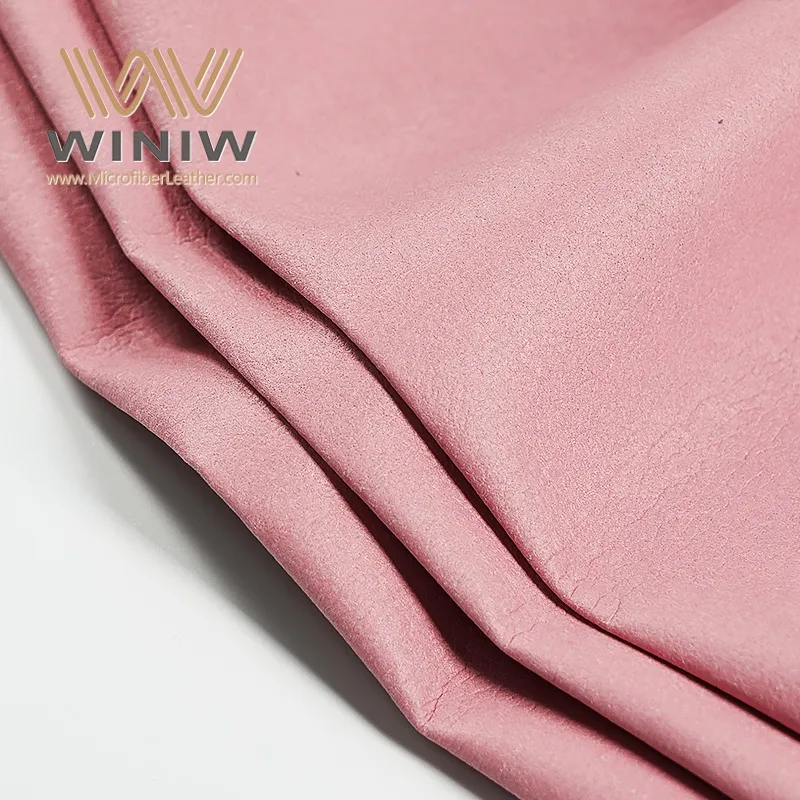
Buscas la máxima comodidad y durabilidad en tus zapatos. La piel de cerdo, de becerro y de cordero destacan como las mejores opciones para el forro interior. La piel de cerdo ofrece una gran transpirabilidad, una gran durabilidad y un secado rápido, como se muestra en la tabla a continuación:
|
Característica |
Piel de cerdo |
|---|---|
|
Transpirabilidad |
Alta; la estructura de poros abiertos mejora el flujo de aire. |
|
Durabilidad |
Más duradero; resiste el desgaste de las correas y la fricción. |
|
Gestión de la humedad |
Absorbe la humedad eficazmente; se seca más rápido. |
Elija piel de cerdo, piel de becerro o piel de cordero para el Máxima comodidad y durabilidad en forros de zapatos. Cada tipo ofrece beneficios únicos que mejoran tu experiencia con el calzado.
Al elegir forros de cuero, ten en cuenta la transpirabilidad y la gestión de la humedad. El cuero de alta calidad ayuda a mantener los pies secos y reduce el mal olor, especialmente en climas cálidos.
Elige el forro de tus zapatos según tu estilo de vida y presupuesto. Para el uso diario, la piel de cerdo es práctica. Para un toque de lujo, opta por la piel de becerro. Siempre verifica el acabado del cuero para una comodidad óptima.
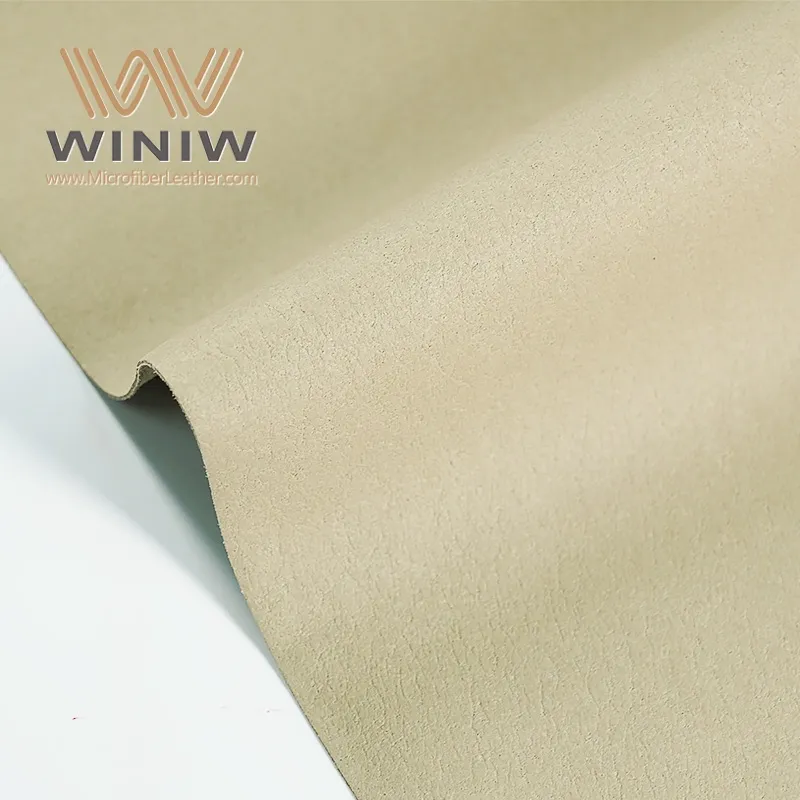
Al elegir forros de cuero para tus zapatos, les brindas a tus pies un ambiente cómodo y saludable. Los mejores forros son suaves al tacto y ayudan a controlar la humedad durante todo el día. Es importante que tus zapatos respiren, especialmente si los usas durante muchas horas o en climas cálidos.
El cuero se adapta a la forma de tu pie, creando un ajuste personalizado que aumenta la comodidad.
Su estructura porosa permite la circulación del aire y la salida de la humedad, lo que mantiene los pies secos.
Los forros transpirables reducen el riesgo de infecciones por hongos y ayudan a prevenir el mal olor al disminuir la humedad.
El cuero absorbe y libera la humedad mejor que los materiales sintéticos.
Los forros de alta calidad resisten las bacterias, por lo que tus zapatos se mantienen frescos durante más tiempo.
Las pruebas de laboratorio demuestran que el forro de vaca gestiona mejor la humedad que el de cabra o oveja. Dado que los pies pueden sudar hasta 30 ml por hora, se necesitan forros que absorban la humedad y se sequen rápidamente. La comodidad depende de la capacidad del calzado para gestionar la temperatura y la humedad. Para actividades de alta intensidad, el forro de vaca destaca por su excelente transpirabilidad.
Consejo: Si desea la máxima comodidad, busque opciones de cuero de primera calidad como el cuero anilina de grano completo, que ofrece suavidad y transpirabilidad.
Quieres que el forro de tus zapatos dure y conserve su forma. El cuero proporciona una gran sujeción y protección, incluso si llevas un estilo de vida activo. Con el tiempo, el cuero mantiene su estructura y resiste la deformación, mientras que los forros de tela suelen perder forma y soporte. El cuero de cerdo, conocido por su durabilidad, resiste el desgaste diario gracias a su estructura única. A diferencia de los textiles, los forros de cuero resisten bien la humedad y la fricción, lo cual es importante para los zapatos que usas con frecuencia. Los forros de cuero de plena flor, especialmente los fabricados con materiales de primera calidad, mantienen tus zapatos como nuevos durante más tiempo.
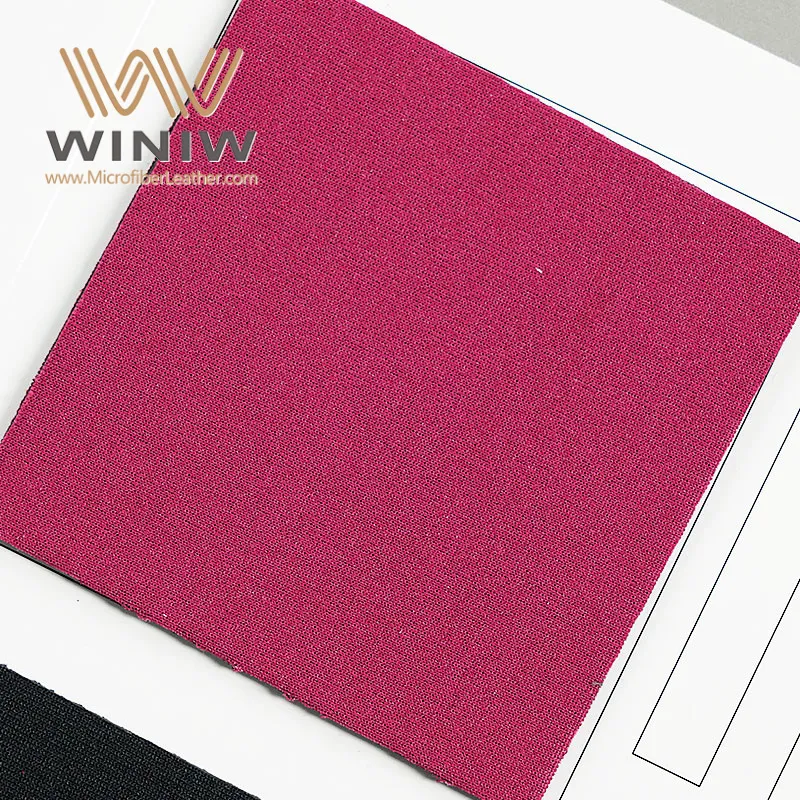
Encontrarás forros de piel de cerdo en muchos zapatos de calidad. La piel de cerdo destaca por su excelente suavidad y flexibilidad, lo que significa que disfrutarás de una comodidad casi inmediata. Su estructura de poros abiertos proporciona una gran transpirabilidad, manteniendo tus pies frescos y secos. Además, la piel de cerdo es resistente al desgaste, lo que la convierte en una opción práctica para el calzado de uso diario.
Aquí les presentamos un breve resumen de las principales características del balón de piel de cerdo:
|
Característica |
Descripción |
|---|---|
|
Blandura |
Excelente suavidad y flexibilidad, que mejoran la comodidad con un tiempo mínimo de adaptación. |
|
Transpirabilidad |
Alta transpirabilidad, que regula eficazmente la humedad y previene la acumulación de sudor. |
|
Costo |
Su precio es moderado en comparación con otros tipos de cuero, lo que ofrece una alternativa práctica a opciones más caras. |
La piel de cerdo de primera calidad cuesta más debido a sus propiedades deseables y a su oferta limitada en comparación con la piel de vaca.
Pagarás menos por la piel de cerdo que por pieles exóticas como la piel de becerro o el cordobán.
Si buscas un forro que combine comodidad, durabilidad y precio, la piel de cerdo es una opción inteligente.
La piel de becerro es un cuero de primera calidad que muchas marcas de lujo utilizan para el forro de sus zapatos. Notarás su textura suave y flexible de inmediato. La piel de becerro es suave al tacto y se adapta a la forma del pie con el tiempo. Este tipo de forro ofrece una gran durabilidad y resistencia al estiramiento, por lo que tus zapatos conservarán su forma.
La piel de becerro es conocida por su resistencia y su tacto flexible, lo que la hace ideal para calzado de alta calidad.
Se obtiene un alto nivel de suavidad y lujo, lo que distingue a la piel de becerro de la piel de cerdo y de la piel de vaca.
Los forros de piel de becerro duran mucho tiempo, incluso con un uso frecuente.
Si buscas una sensación de lujo y una comodidad duradera, la piel de becerro es una excelente opción para el forro del calzado.
La piel de cordero y la de cabra ofrecen una experiencia diferente. La piel de cordero es increíblemente suave y ligera. Disfrutarás de su flexibilidad, que permite que el forro se adapte a tu pie. Esto la hace perfecta para zapatos de vestir o para usar sin calcetines. Sin embargo, la piel de cordero es menos duradera que la de ternera o la de cerdo, por lo que es más adecuada para zapatos de ocasiones especiales.
Los forros de piel de cabra ofrecen un equilibrio perfecto entre suavidad y durabilidad. La piel de cabra es más flexible que la de vaca y más resistente que la de cordero. Obtendrás un ajuste cómodo con mayor resistencia al desgaste que con la piel de cordero sola.
Piel de cordero: Muy suave, de gran lujo, durabilidad media.
Piel de cabra: Buena flexibilidad, durabilidad moderada, tacto agradable.
Elige piel de cordero si buscas la máxima comodidad y un tacto de primera calidad. Opta por piel de cabra si prefieres una combinación de comodidad y resistencia.
El cuero de vaca es uno de los tipos más comunes para forrar zapatos. Ofrece gran durabilidad y resistencia, lo que lo hace perfecto para calzado de uso intensivo. Al ser más pesado y grueso que el cuero de cerdo o de ternera, proporciona una excelente sujeción y estructura.
|
Tipo de cuero |
Costo por pie cuadrado |
Durabilidad |
Fortaleza |
|---|---|---|---|
|
Piel de cerdo |
$1 - $5 |
Fuerte |
Casi tan resistente como el cuero de vaca. |
|
Cuero |
$3 - $15 |
Muy duro |
Ideal para usos intensivos. |
Los forros de piel de vaca son duraderos y resistentes a la humedad. Si bien pueden resultar menos suaves que la piel de becerro o de cordero, ofrecen un rendimiento fiable para calzado de trabajo o para actividades al aire libre.
Otros forros de cuero, como los de piel de caballo o pieles exóticas, son menos frecuentes. Estas opciones suelen ser más caras y están dirigidas a nichos de mercado específicos.
El acabado de los forros de cuero afecta tanto a la comodidad como a la apariencia. Verás tres acabados principales:
|
Tipo de cuero |
Transpirabilidad |
Apariencia |
|---|---|---|
|
Anilina |
Alto, permite la regulación de la temperatura |
Se aprecian la veta natural y las imperfecciones. |
|
Semianilina |
Moderado, conserva cierta transpirabilidad |
Ligero brillo, grano expuesto con pigmento añadido. |
|
Pigmentado |
Bajo, los poros están cubiertos |
Color uniforme, enmascara características naturales |
El cuero anilina de grano completo ofrece la máxima transpirabilidad y un aspecto natural. Notarás su veta única y pequeñas imperfecciones.
El cuero semianilina añade una fina capa de pigmento que protege la superficie, pero mantiene cierta transpirabilidad.
El cuero pigmentado cubre los poros, lo que hace que el forro sea menos transpirable pero más resistente a las manchas y los arañazos.
Si buscas la máxima comodidad y una sensación natural, elige cuero anilina de plena flor para el forro de tus zapatos.
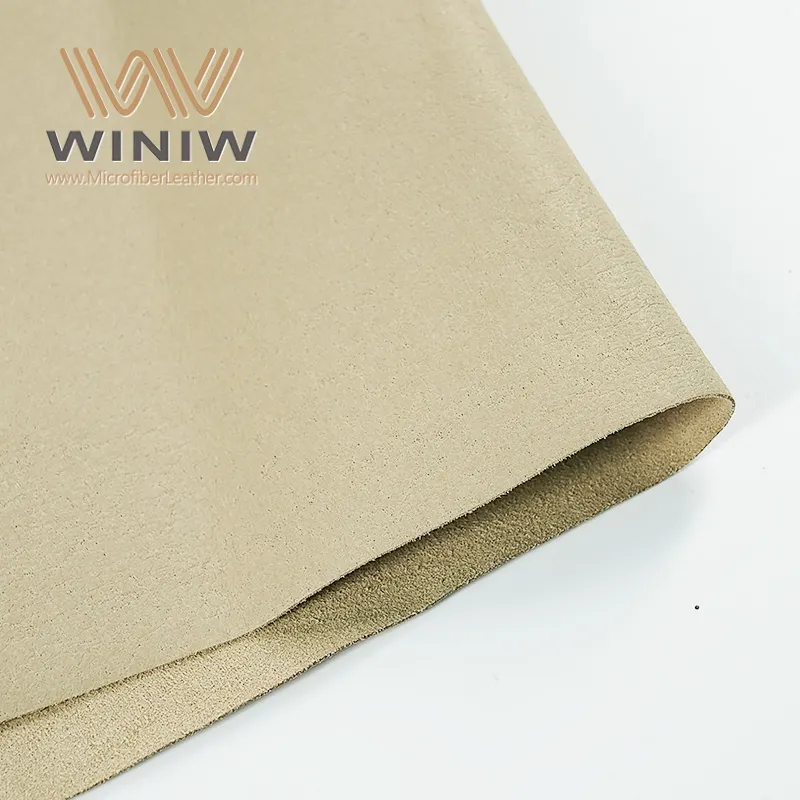
Quizás quieras una forma rápida de comparar los diferentes tipos de forros de cuero para zapatos. La siguiente tabla resume las principales diferencias:
|
Tipo de cuero |
Blandura |
Durabilidad |
Transpirabilidad |
Lujo |
Costo |
Lo mejor para |
|---|---|---|---|---|---|---|
|
Piel de cerdo |
Alto |
Alto |
Alto |
Bajo |
$$ |
Zapatos informales para el día a día. |
|
Piel de becerro |
Alto |
Alto |
Alto |
Alto |
$$$$ |
Zapatos de vestir de lujo |
|
Corderillo |
Muy alto |
Medio |
Alto |
Alto |
$$$ |
Zapatos de vestir y cómodos |
|
Piel de cabra |
Alto |
Medio |
Alto |
Medio |
$$ |
Versátil, cómodo |
|
Cuero |
Medio |
Muy alto |
Medio |
Medio |
$$ |
Zapatos de trabajo y para exteriores |
Consejo: Al elegir el forro de tus zapatos, piensa en tus necesidades. Si buscas la máxima comodidad, opta por piel de becerro o cordero. Si necesitas durabilidad, la piel de vaca o de cerdo te resultará ideal. Siempre revisa el acabado: la piel de plena flor y la piel anilina de plena flor ofrecen la mejor transpirabilidad y comodidad.
Quieres que tus zapatos sean cómodos en cualquier clima. Para tomar la mejor decisión, ten en cuenta estos factores prácticos:
Elige el tipo de calzado adecuado. Los zapatos de vestir, las botas y las zapatillas deportivas requieren diferentes calidades de cuero en el forro.
Evalúa la transpirabilidad. En climas cálidos, busca forros con buena ventilación, como cuero perforado o gamuza. Estas opciones ayudan a mantener los pies frescos y secos.
Evalúa la resistencia a la humedad. Si vives en una zona húmeda o sudas con frecuencia, elige cueros pigmentados o curtidos con aceite. Estos resisten la humedad y ayudan a prevenir el mal olor.
Piensa en tu presupuesto. Los forros de alta calidad, como el cuero anilina de grano completo, ofrecen lujo y comodidad, pero son más caros.
Tenga en cuenta el mantenimiento y el cuidado. El cuero de alta calidad requiere una limpieza y un acondicionamiento regulares para mantenerse suave y durar más tiempo.
Consejo: Consulta siempre la etiqueta del calzado para obtener información sobre el forro de piel. Si tienes alguna duda, pide consejo a un experto en calzado.
Debes elegir el forro de cuero de tus zapatos según el uso que les vayas a dar:
Para la ropa de trabajo, céntrese en la funcionalidad y la durabilidad. Piel de grano superior o de grano completo. nobuk y los forros de gamuza son ideales para el uso diario.
Para zapatos de moda o formales, elige piel de napa suave o de cordero para una sensación de primera calidad.
Para calzado de exterior o de uso intensivo, elija forros resistentes como el de piel de vaca.
Si buscas la máxima comodidad y transpirabilidad, el cuero anilina de plena flor es una excelente opción.
Puedes encontrar el equilibrio adecuado entre comodidad, durabilidad y precio teniendo en cuenta tus necesidades y el clima de la zona donde vives.
Obtendrás los mejores resultados eligiendo Forro de cuero para zapatos Como la piel de cerdo, ternera o cordero, ofrecen comodidad, transpirabilidad y durabilidad. Los forros de alta calidad se adaptan al pie y resisten los malos olores. Elige siempre el calzado que mejor se ajuste a tus necesidades y al clima. Revisa las etiquetas y palpa el interior antes de comprar.

Deberías elegir piel de cordero o de ternera. Estos tipos son suaves al tacto y reducen la irritación. Son ideales para personas con piel sensible.
Puedes limpiar el forro con un paño húmedo. Usa un acondicionador para cuero una vez al mes. Evita mojar el interior de los zapatos.
Sí. Los forros de cuero permiten la circulación del aire. Se consigue un mejor control de la humedad y menos olor en comparación con los materiales sintéticos.
Winiw International Co.,Ltd


Escanear a wechat:



 Tel : +86 18150976625
 Correo electrónico : Market@MicrofiberLeather.com