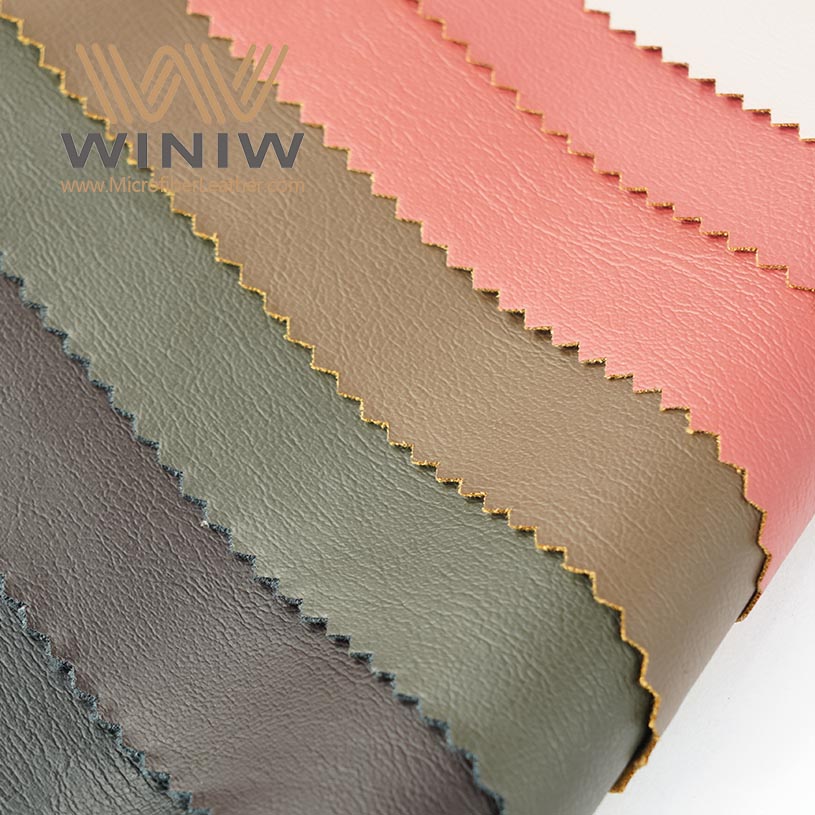
Quieres una mochila que resista el paso del tiempo. Según informes recientes de la industria, las mochilas de cuero auténtico duran entre 10 y 20 años, mientras que... cuero vegano Las opciones suelen durar entre 2 y 7 años:
|
Tipo de mochila |
esperanza de vida media |
|---|---|
|
Cuero vegano |
2–7 años |
|
Cuero auténtico |
10–20+ años |
La durabilidad es importante porque confías en tu mochila a diario y esperas que proteja tus pertenencias. Los padres confían en la integridad de la mochila para sus hijos y se preocupan por la resistencia de las correas, la seguridad del tinte y el peso. Al elegir entre cuero auténtico y una mochila de cuero vegana, considera tu presupuesto, estilo de vida y valores.
Las mochilas de cuero real pueden durar de 10 a 20 años con el cuidado adecuado, lo que las convierte en una inversión duradera.
Mochilas de cuero vegano Por lo general duran entre 2 y 7 años y pueden requerir un reemplazo más frecuente.
El mantenimiento regular, como la limpieza y el acondicionamiento, puede prolongar significativamente la vida útil de ambos tipos de mochilas.
Al comparar la durabilidad de las mochilas de cuero vegano y de cuero real, se ven diferencias claras en la duración de cada material y cómo soportan el uso diario.
Las mochilas de cuero auténtico destacan por su impresionante durabilidad. Si eliges una mochila de cuero plena flor o de primera calidad, puedes esperar que dure entre 10 y 30 años con el cuidado adecuado. Mucha gente usa la misma mochila de cuero auténtico durante décadas, especialmente si la limpian y acondicionan con regularidad. La calidad del cuero es fundamental. El cuero plena flor es el más duradero y soporta un uso intensivo. El cuero de primera calidad también dura mucho tiempo, aunque puede mostrar signos de desgaste antes.
Consejo: guarde su mochila de cuero real en un lugar fresco y seco, y evite la luz solar directa para que mantenga su mejor aspecto.
A continuación se muestra un vistazo rápido de cómo se desempeña el cuero real en las pruebas de durabilidad:
|
Tipo de material |
Esperanza de vida promedio (años) |
Puntos de falla |
Mantenimiento requerido |
|---|---|---|---|
|
Cuero de vaca de grano completo |
7–10 |
Fatiga del hardware, manchas leves |
Acondicione cada 3 a 6 meses |
Notarás que el cuero auténtico desarrolla suaves pliegues en los puntos de tensión en lugar de agrietarse. Las pequeñas rozaduras se pueden pulir, lo que ayuda a que tu bolso conserve su aspecto con el tiempo. El cuero auténtico también absorbe bien la humedad. Absorbe el agua durante la lluvia y se seca uniformemente sin deformarse, así que no tienes que preocuparte de que el bolso se deforme.
Las mochilas de cuero vegano ofrecen una experiencia diferente. La mayoría de los bolsos de cuero vegano duran entre 2 y 7 años, dependiendo del material y el uso que se les dé. Las opciones de alta calidad, como el cuero vegano de cactus, pueden durar hasta 5 años con un buen cuidado. Las versiones más económicas, hechas de PU o PVC fino, pueden durar solo entre 1 y 2 años antes de mostrar signos de desgaste.
|
Tipo de material |
esperanza de vida media |
Recomendaciones de cuidado |
|---|---|---|
|
PU/planta de alta calidad |
Más de 5 años |
Mantenimiento adecuado, evitar la humedad y el calor. |
|
PVC más económico/PU fino |
1 a 2 años |
Puede mostrar desgaste rápidamente, menos duradero |
|
Cuero vegano general |
2 a 5 años |
Varía según el material y la intensidad de uso. |
Debes conocer los problemas más comunes del cuero vegano. Las grietas y desprendimientos superficiales suelen aparecer en las costuras, especialmente en el cuero vegano de PU. El color puede desteñirse si dejas tu bolso al sol. El cuero vegano de cactus resiste mejor, con solo una ligera decoloración y deshilachado en los bordes.
|
Problema de durabilidad |
Descripción |
Calidad del material |
|---|---|---|
|
Agrietamiento |
Común en materiales de menor calidad, especialmente PVC. |
Los artículos de menor precio suelen romperse en el plazo de un año. |
|
Peladura |
Indica falla del material y es más difícil de reparar. |
Los artículos de mayor precio generan menos quejas. |
|
Pequeños arañazos |
Se puede reparar, pero las grietas profundas son problemáticas. |
La reparabilidad disminuye cuanto menor sea la calidad. |
El cuero vegano es inicialmente resistente al agua, pero puede retener la humedad bajo la superficie. Esto puede provocar microampollas tras repetidos ciclos de secado y mojado. Para prolongar su vida útil, limpia tu mochila vegana de cuero y mantenla alejada de la luz solar directa.
Al comparar la durabilidad, el cuero auténtico supera claramente al cuero vegano en términos de vida útil y resistencia al desgaste. Las mochilas de cuero auténtico pueden durar décadas con el cuidado adecuado, mientras que la mayoría de las opciones de cuero vegano necesitan ser reemplazadas después de unos años. Si buscas un bolso que dure muchos años, el cuero auténtico es la opción más resistente. Si prefieres... mochila de cuero vegana Por razones éticas o presupuestarias, debe esperar reemplazarlo con más frecuencia y prestar mucha atención a las instrucciones de cuidado.
La calidad de los materiales es fundamental para la durabilidad de tu mochila. El cuero auténtico destaca por su resistencia y capacidad para resistir el desgaste. Con el cuidado adecuado, puede durar décadas, lo que la convierte en una inversión inteligente. Cuero vegano Por otro lado, suele presentar problemas como descamación y agrietamiento. El cuero vegano de alta calidad, especialmente el mezclado con microfibras o materiales vegetales, ofrece mayor resistencia a la tracción y a la abrasión que las opciones más económicas. Puede comparar las características principales en la siguiente tabla:
|
Característica |
Cuero vegano |
Piel genuina |
|---|---|---|
|
Durabilidad |
Propenso a pelarse, agrietarse y desgastarse. |
De larga duración, puede durar décadas con cuidado. |
|
Mantenimiento |
Fácil de limpiar pero se deteriora rápidamente. |
Requiere cuidado pero dura significativamente más. |
El uso que le das a tu mochila y adónde la llevas afecta su vida útil. Si expones el cuero vegano a la luz solar directa, puede desteñirse o deteriorarse. Las altas temperaturas pueden causar grietas o decoloración, mientras que el frío puede volverlo quebradizo. El cuero auténtico también sufre condiciones extremas, pero suele soportar mejor la humedad y los cambios de temperatura. Debes evitar dejar la mochila en lugares húmedos, ya que el moho puede dañar ambos tipos.
La exposición prolongada al sol provoca decoloración.
El calor elevado provoca grietas o pérdida de flexibilidad.
La humedad excesiva favorece el crecimiento de moho.
Las temperaturas frías pueden hacer que el cuero vegano se vuelva rígido.
El cuidado regular prolonga la vida útil de tu mochila. Limpia las superficies con un paño suave y seco y usa jabón neutro para una limpieza más profunda. Acondicionar el cuero auténtico cada pocos meses lo mantiene flexible y resistente. El cuero vegano requiere menos mantenimiento, pero se beneficia de una limpieza suave y un almacenamiento adecuado. Las mochilas con cuidado regular pueden durar hasta un 30 % más que las que no se cuidan. Guarda siempre tu mochila en un lugar fresco y seco para evitar que se dañe por el calor o la humedad.
Consejo: Un mantenimiento constante y unos hábitos de almacenamiento inteligentes te ayudarán a aprovechar al máximo tu mochila, sin importar el material que elijas.
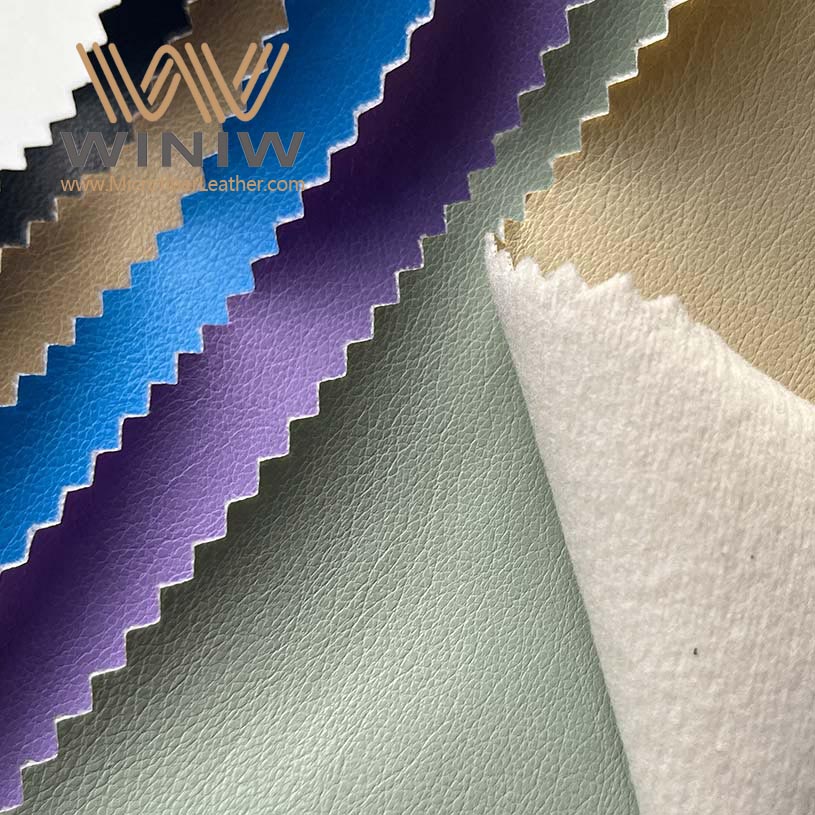
Es posible que descubras que un mochila de cuero vegana Ofrece varias ventajas prácticas. Mucha gente elige el cuero vegano porque es más económico que el cuero de plena flor. Las opciones premium pueden costar más de $200, pero la mayoría son económicas. Puedes limpiar tu mochila con un simple paño, lo que facilita su cuidado. A diferencia del cuero animal, el cuero vegano es resistente al agua. La mayoría de las mochilas vienen con un revestimiento impermeable, aunque este puede desaparecer después de uno o dos años. Si buscas un bolso de buena calidad y fácil de mantener, el cuero vegano es una excelente opción.
Menor costo en comparación con el cuero genuino.
Fácil de cuidar y limpiar.
La superficie resistente al agua protege tus pertenencias.
Ligero y disponible en muchos estilos.
El cuero vegano también tiene una menor huella de carbono. Su producción libera menos dióxido de carbono que el cuero vacuno. La siguiente tabla muestra la diferencia:
|
Tipo de cuero |
Emisiones de carbono (kg CO2e/m²) |
|---|---|
|
Cuero de vaca |
110 |
|
Cuero vegano |
7 - 15.8 |
Debes considerar las desventajas antes de elegir una mochila de cuero vegana. La mayoría del cuero vegano utiliza plásticos derivados del petróleo, que no son biodegradables. Estos materiales pueden tardar cientos de años en descomponerse en los vertederos. Con el paso del tiempo, el cuero vegano puede agrietarse o descascarillarse, especialmente si se usa a diario. Al descomponerse, libera microplásticos que pueden dañar el medio ambiente y la vida marina.
Vida útil más corta que la del cuero genuino
Propenso a agrietarse y pelarse
Opciones de reparación limitadas; los daños profundos a menudo implican reemplazo
Contribuye a la contaminación plástica y a los problemas de microplásticos.
Si buscas una mochila de cuero vegano de alta calidad, busca materiales de origen vegetal o reciclados. Estas opciones duran más y reducen el impacto ambiental. Aun así, la mayoría de las alternativas de cuero vegano presentan una biodegradación mínima. Es posible que tengas que cambiar tu mochila con más frecuencia que una de cuero auténtico.
Al elegir una mochila de cuero auténtico, inviertes en un producto que resiste el paso del tiempo. El cuero auténtico es uno de los materiales más duraderos del mercado. Con el cuidado adecuado, tu mochila puede durar de 15 a 20 años o incluso más. Notarás que el cuero de alta calidad, las costuras reforzadas y los herrajes sólidos ayudan a que tu mochila conserve su estructura y resistencia durante años.
Las mochilas de cuero auténtico desarrollan una pátina única a medida que envejecen, lo que le da a cada bolso su propio carácter.
Podrás encontrar un estilo que se adapte a tu gusto, ya sea que prefieras un look moderno o vintage.
Estas mochilas nunca pasan de moda y se adaptan a muchas ocasiones.
El cuero envejece con gracia. En lugar de mostrar daños, cuenta una historia a través de su apariencia cambiante. Mucha gente aprecia cómo una mochila de cuero auténtico se vuelve más hermosa con el tiempo. Si alguna vez decide vender su bolso, descubrirá que el cuero auténtico conserva su valor mucho mejor que las alternativas veganas.
|
Tipo de cuero |
Valor de reventa después de 1 año |
Valor de reventa después de 3 años |
|---|---|---|
|
Cuero auténtico |
68% del precio de venta al público |
52% del precio de venta al público |
|
Cuero vegano |
20-35% del precio de venta al público |
N / A |
Consejo: Invertir en una mochila de cuero de primera calidad significa que reemplazarás tu bolso con menos frecuencia, lo que favorece una compra consciente.
También deberías considerar las desventajas antes de comprar una mochila de cuero auténtico. Estas mochilas suelen ser más caras porque su fabricación requiere mano de obra cualificada y materiales de calidad. Algunas opciones de alta gama pueden costar cientos o incluso miles de dólares.
El cuero auténtico necesita un acondicionamiento regular para evitar que se seque y se agriete.
La limpieza requiere especial productos , no sólo agua y jabón.
Las manchas o daños profundos pueden requerir cuidado profesional, lo que aumenta los costos a largo plazo.
El impacto ambiental El uso de cuero auténtico es significativo. La producción de un bolso de piel de vaca puede consumir más de 17.000 litros de agua. La huella de carbono es mucho mayor que la del cuero vegano, alcanzando los 110 kg de CO2e por metro cuadrado. La producción tradicional de cuero también implica el uso de productos químicos y puede contribuir a la deforestación.
Si buscas una mochila duradera, el cuero auténtico es una excelente opción. Sin embargo, debes considerar el mayor costo, el mantenimiento necesario y las consideraciones ambientales antes de tomar una decisión.
Si buscas una mochila que se adapte al día a día, el cuero auténtico es la mejor opción. Obtendrás una mochila resistente al desgaste, transpirable e incluso que absorbe la humedad. El cuero auténtico puede durar décadas si lo cuidas. El cuero vegano, aunque elegante y asequible, suele arrugarse y rayarse con el paso de los años. Es posible que tengas que cambiar tu mochila vegana de cuero con más frecuencia, especialmente si la usas a diario. El cuero vegano de alta calidad puede prolongar su vida útil, pero aún no puede igualar la durabilidad del cuero auténtico para un uso regular.
Debes considerar tu estilo de vida, presupuesto y valores antes de tomar una decisión. Aquí tienes algunos factores clave a considerar:
Durabilidad: el cuero real dura más y soporta condiciones difíciles mejor que el cuero vegano.
Resistencia al agua: El cuero auténtico se adapta a la humedad y a los ciclos repetidos de humedad y secado. El cuero vegano puede agrietarse o descascarillarse si se expone al agua con frecuencia.
Mantenimiento: el cuero real necesita acondicionamiento, pero el cuero vegano puede necesitar un reemplazo más frecuente.
Impacto ambiental: El cuero vegano suele utilizar materiales derivados del petróleo, lo que puede afectar la sostenibilidad. El cuero auténtico es un subproducto de la industria cárnica, pero su producción tiene un mayor impacto ambiental.
|
Tipo de material |
Costo inicial |
Potencial de margen minorista |
Impacto presupuestario |
|---|---|---|---|
|
Piel genuina |
Alto |
Alto |
Mayor inversión inicial, atractivo de lujo |
|
Cuero vegano |
Bajo |
Moderado |
Más asequible, atractivo para los consumidores conscientes del presupuesto. |
Si quieres apoyar la moda sostenible, busca cuero vegano de origen vegetal o reciclado. Para una inversión duradera, el cuero auténtico es la mejor opción. Si buscas una opción económica o quieres evitar productos animales, el cuero vegano ofrece estilo y valor.
Las mochilas de cuero real duran más porque su estructura de fibra natural resiste el desgaste y desarrolla una pátina.
El cuero vegano ofrece estilo y atractivo ético, pero tiende a pelarse y desvanecerse con el tiempo.
Debes cuidar ambos materiales para prolongar su vida útil.
Elija cuero real por su durabilidad o cuero vegano por su valor y presupuesto.
Debe limpiarlo con cuidado, evitar la luz solar directa y guardarlo en un lugar fresco y seco. Use un paño suave para limpiarlo regularmente.
Sí. Debes acondicionar tu mochila de cuero auténtico cada pocos meses. Evita el agua y usa productos específicos para cuero para evitar que se seque o se agriete.
El cuero vegano utiliza menos productos animales y agua. Sin embargo, la mayoría de los tipos contienen plásticos, que no se biodegradan y pueden liberar microplásticos.
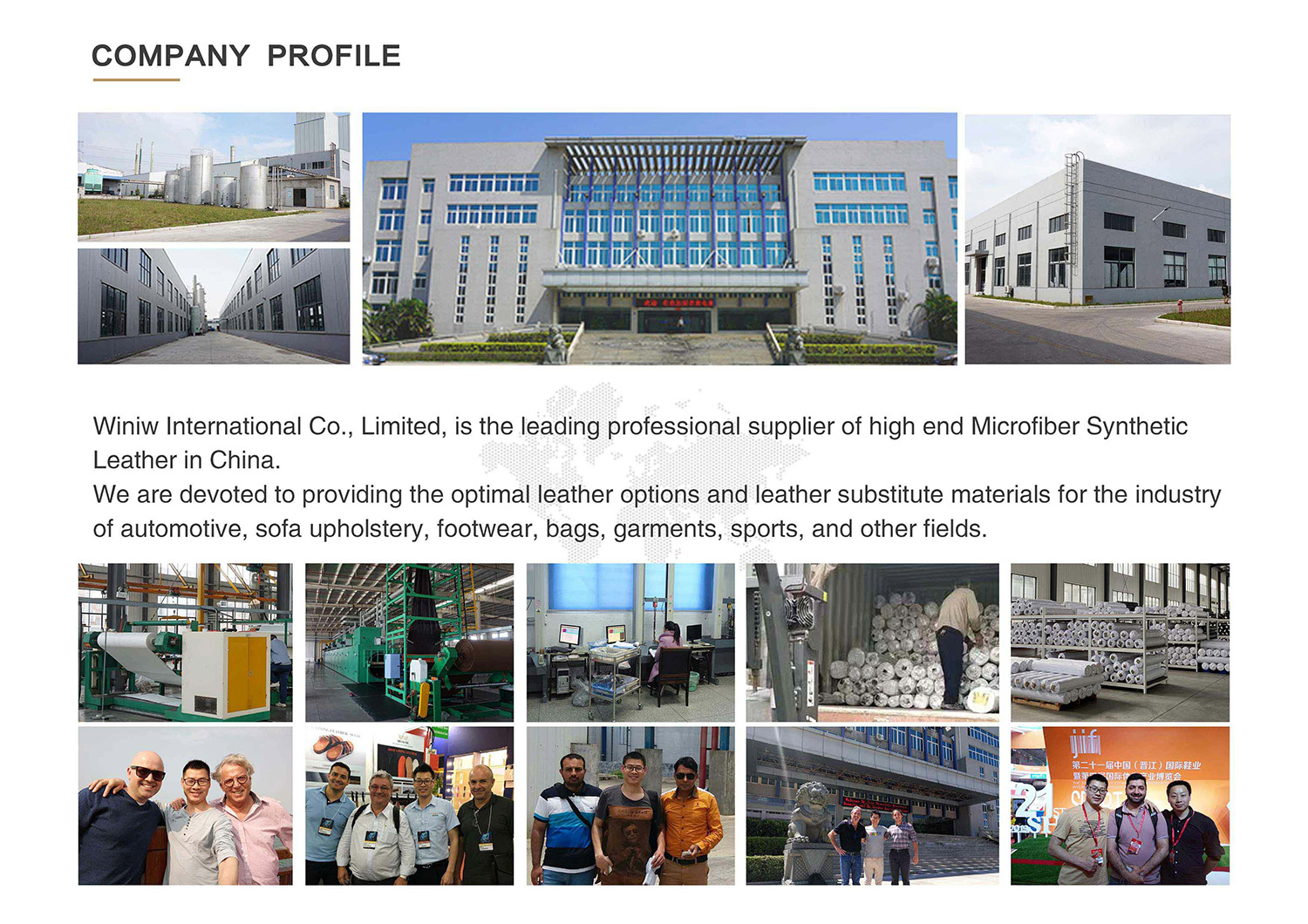
Winiw International Co.,Ltd


Escanear a wechat:



 Tel : +86 18150976625
 Correo electrónico : Market@MicrofiberLeather.com