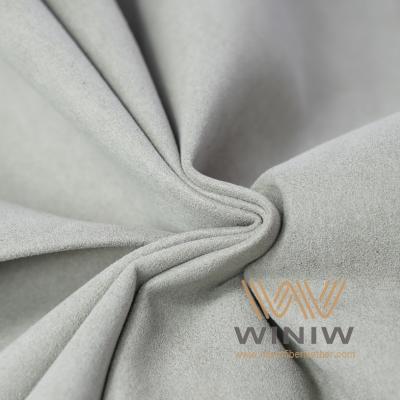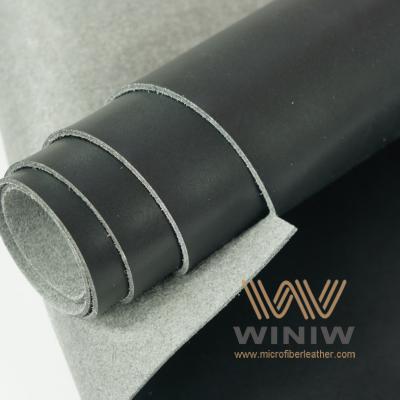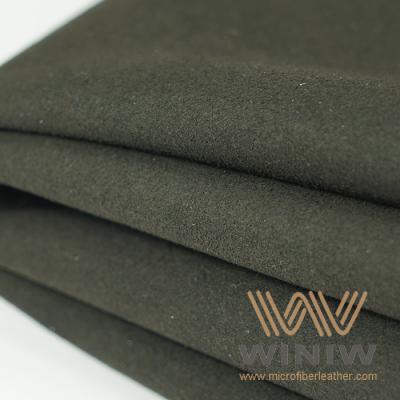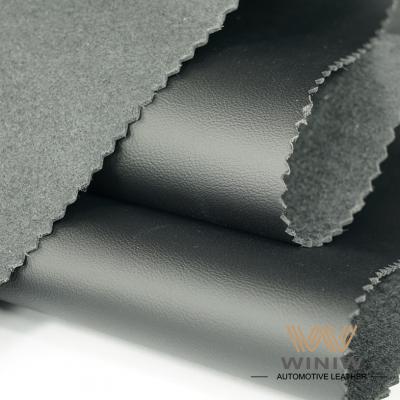
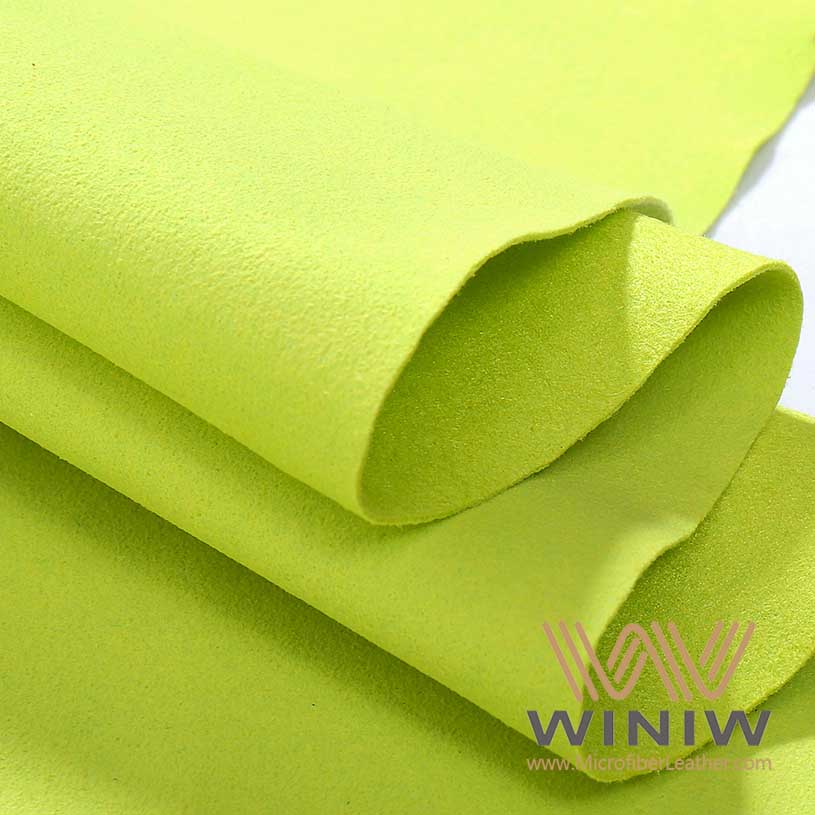
Te enfrentas a muchas opciones al elegir el material de un sofá. Los sofás de tela se sienten acogedores y se adaptan a estilos cambiantes, mientras que los sofás de cuero duran más y se limpian fácilmente. Considera tu estilo de vida, comodidad y las necesidades de tu familia. Piensa en las alergias, el clima y con qué frecuencia actualizas los materiales del sofá. El cuero ofrece durabilidad;la tela aporta flexibilidad.
Flexibilidad de diseño: las opciones de sofás de tela te permiten cambiar tu apariencia fácilmente.
Plazo de inversión: el sofá de cuero funciona mejor para un uso a largo plazo.
Impacto ambiental y salud: las elecciones de cuero y tela para sofás afectan la sostenibilidad.
Considera tu estilo de vida al elegir un sofá.El cuero ofrece durabilidady fácil limpieza, mientras que la tela proporciona comodidad y flexibilidad de diseño.
Piensa en las alergias y las mascotas. El cuero es hipoalergénico y fácil de limpiar con un paño, lo que lo convierte en una mejor opción para las personas alérgicas y los hogares con mascotas.
Evalúa tu presupuesto y la inversión a largo plazo. Los sofás de cuero cuestan más al principio, pero duran más, mientras que los sofás de tela son más económicos, pero pueden necesitar reemplazo antes.
Quieres que tu sofá combine con el estilo de tuhogar’s. El debate entre sofá de cuero y sofá de tela suele comenzar con cómo encaja cada material en tu decoración. Los sofás de cuerose adaptan a muchos estilos de diseño interiorPuedes colocar un sofá de cuero en una sala de estar moderna y esteañadirá un toque de lujoLos sofás de cuero tambiénfuncionan bien en espacios clásicosproporcionando un aspecto atemporal. Puedes usar cuero en hogares minimalistas, donde importan las líneas limpias y los colores neutros. El cuero aporta sofisticación yactúa como pieza central, estableciendo el tono de la habitación.
Los sofás de tela ofrecen flexibilidad. Puedes elegir un sofá de tela para espacios acogedores, informales o eclécticos. La tela te permite personalizar tu sofá con diferentes colores y patrones. Puedes actualizar fácilmente el aspecto con nuevos accesorios o fundas. Los sofás de tela encajan bien en hogares donde quieres cambiar de estilo con frecuencia.
Consejo: Si te gusta renovar tu decoración, los sofás de tela facilitan cambiar tu estilo.
La elección entre sofá de cuero y tela también afecta las opciones de color y textura. El cuero viene enalrededor de una docena de coloresy varios acabados, como grano completo osintéticoObtienes un aspecto clásico, pero tus opciones son limitadas. La tela ofrece posibilidades infinitas. Puedes elegir entre innumerables colores, patrones y texturas. Puedes encontrar un sofá de tela para cualquier estilo, desde tradicional hasta ultramoderno.
|
Tipo de sofá |
Impacto en la decoración |
Flexibilidad en el diseño |
|---|---|---|
|
Cuero |
Actúa como una pieza central, determinando la estética general de la habitación. |
Paleta de colores y opciones de estilo limitadas debido a la necesidad de combinar con el elemento dominante. |
|
Tela |
Ofrece opciones de flexibilidad y personalización. |
Puede cambiar fácilmente con diferentes accesorios, lo que permite actualizaciones estacionales y declaraciones audaces. |
Puedes usar la comparación entre sofás de cuero y de tela para decidir cuál se adapta a tu visión para tu hogar.
Quieres que tu sofá se sienta cómodo cada vez que te sientas. El debate entre sofás de tela y de cuero a menudo se centra en cómo se siente cada material durante el uso diario. Muchas personas describen los sofás de tela como suaves y acogedores. Puedes hundirte en los cojines y sentirte apoyado, lo que los hace ideales para descansar, leer o dormir una siesta. La tela mantiene un tacto suave y resulta acogedora, incluso si pasas horas en el sofá.
Los sofás de cuero ofrecen una experiencia diferente. Notas una sensación lujosa cuando te sientas por primera vez. Con el tiempo, la superficie se suaviza, pero puede que no iguale la comodidad acogedora inmediata de la tela. El cuero funciona bien si quieres un sofá que luzca elegante y se sienta suave. Sin embargo, podrías descubrir que el cuero requiere un breve periodo de adaptación antes de sentirse tan cómodo como la tela para sentarse durante mucho tiempo.
Considera estos puntos al pensar en la comodidad diaria:
Los sofás de tela se sienten suaves y acogedores, perfectos para relajarse y dormir siestas.
Los sofás de cuero ofrecen un tacto lujoso y se suavizan con el paso del tiempo, pero pueden necesitar más cuidado para mantener la comodidad.
La tela mantiene una sensación constante y acogedora, mientras que el cuero puede sentirse más firme al principio.
Consejo: Si te encanta descansar o dormir una siesta en tu sofá, la tela te brinda comodidad inmediata sin esperar a que el material se caliente.
El clima de tu hogar afecta cómo se siente tu sofá durante todo el año. Los sofás de tela mantienen una temperatura neutra. Notas que la tela se siente cómoda de inmediato, sin importar la estación. En invierno, la tela proporciona aislamiento y te mantiene caliente. En verano, se mantiene transpirable y no atrapa el calor. Esto convierte a la tela en una opción inteligente si tu hogar experimenta grandes cambios de temperatura o carece de aire acondicionado constante.
El cuero reacciona a la temperatura de la habitación. En invierno, los sofás de cuero pueden sentirse fríos cuando te sientas por primera vez. En verano, el cuero puede sentirse cálido o incluso pegajoso, especialmente en condiciones húmedas. Podrías encontrar esto incómodo si tu hogar se calienta mucho o si vives en un clima húmedo. El cuero de menor calidad puede hacer que este efecto sea más notable.
Aquí tienes una comparación rápida para ayudarte a decidir:
Los sofás de tela mantienen una temperatura constante y se sienten cómodos en todas las estaciones.
Los sofás de cuero se adaptan a la temperatura de la habitación, sintiéndose fríos en invierno y pegajosos en climas húmedos o calurosos.
La tela ofrece un mejor aislamiento en invierno y transpirabilidad en verano.
Si vives en un lugar con veranos calurosos y sin aire acondicionado, es probable que los sofás de tela te mantengan más cómodo. Los sofás de cuero son adecuados para hogares con control de temperatura o para personas que prefieren una superficie fresca en climas cálidos.
Nota: El cuero puede volverse pegajoso en ambientes húmedos y frío en invierno, lo que puede afectar tu nivel de comodidad.
Debes pensar en tu clima local y en la frecuencia con la que usas tu sofá. La elección adecuada te mantendrá cómodo todos los días, ya sea que estés relajándote, recibiendo visitas o tomando una siesta.
Cuando eliges un sofá, quieres que dure. La durabilidad importa, especialmente si tu sala de estar tiene mucha actividad. Las opciones de tela y cuero para sofás muestran diferencias claras en cómo soportan el desgaste. El cuero destaca por su resistencia y su capacidad de envejecer con elegancia. Con el tiempo, el cuero desarrolla una pátina, que añade carácter en lugar de parecer desgastado. No verás formación de bolitas, deshilachado ni zonas irregulares en un sofá de cuero. El cuero resiste los desgarros, la abrasión y las perforaciones mejor que la mayoría de los sofás de tela. Sin embargo, el cuero puede rayarse con más facilidad, especialmente si tienes mascotas con garras afiladas. Los arañazos en el cuero suelen integrarse y convertirse en parte de su aspecto único.
Los sofás de tela ofrecen comodidad y estilo, pero pueden perder color y deformarse más rápido que el cuero. La luz solar puede hacer que la tela pierda color. El uso diario puede provocar cojines hundidos o zonas desgastadas. Puedes notar que la tela absorbe las manchas rápidamente, por lo que los derrames requieren una acción rápida. El mantenimiento y el cuidado desempeñan un papel importante en cuánto dura tu sofá. La limpieza regular ayuda, pero los sofás de tela normalmente requieren más atención.
Aquí tienes un vistazo rápido a la vida útil promedio de cada material:
|
Material |
Promedio de vida útil (años) |
|---|---|
|
Cuero |
15-20 |
|
Tela |
5-10 |
Puedes ver que los sofás de cuero duran mucho más que los sofás de tela. Con el cuidado adecuado, los muebles de cuero pueden incluso alcanzar 25 años o más. Los sofás de tela, por otro lado, a menudo necesitan reemplazarse después de aproximadamente una década, especialmente con un uso intensivo.
Consejo: Coloca tu sofá lejos de la luz solar directa para evitar la decoloración y la fragilidad, especialmente en el caso del cuero.
Si tienes niños o mascotas, necesitas un sofá que pueda soportar suciedad y juegos bruscos. Elecciones de cuero para la tela del sofá afectan la resistencia de tus muebles a la vida diaria. Los sofás de cuero son una opción popular para familias con niños y mascotas. Los líquidos permanecen en la superficie, por lo que puedes limpiar los derrames antes de que se absorban. El cuero no atrapa pelo de mascotas, ácaros del polvo ni polen. Esto lo convierte en una opción inteligente para personas alérgicas. Los veterinarios suelen recomendar el cuero para hogares con mascotas porque no alberga parásitos y se limpia fácilmente.
Los sofás de tela pueden sentirse más suaves, pero absorben manchas y olores. Las garras de las mascotas pueden enganchar los hilos, y los niños pueden dejar migas o derrames que se hunden en los cojines. La tela atrapa alérgenos, por lo que necesitas aspirarla y limpiarla con más frecuencia. La limpieza profesional puede eliminar hasta el 90% de los alérgenos atrapados, pero aspirar con regularidad por sí solo no es suficiente. Si tú o los miembros de tu familia tienen alergias, es posible que descubras que el cuero ayuda a reducir los síntomas.
Aquí tienes una comparación para ayudarte a decidir qué material se adapta mejor a tu hogar:
|
Factor |
Sofá de tela |
Sofá de cuero |
|---|---|---|
|
Vida útil de los muebles |
7-15 años dependiendo de la calidad |
15-25+ años para cuero de calidad |
|
Resistencia a las manchas |
Moderada a alta con tratamiento; absorbe líquidos |
Alta; los líquidos permanecen en la superficie para limpiarse fácilmente |
|
Resistencia a los arañazos |
Buena; posibles enganches con mascotas |
Moderada; muestra arañazos pero desarrolla carácter |
|
Resistencia a los alérgenos |
Atrapa ácaros del polvo, polen y caspa de mascotas |
No alberga alérgenos; fácil de limpiar con un paño |
También debes considerar la frecuencia de limpieza:
|
Tipo de sofá |
Frecuencia de limpieza |
|
|---|---|---|
|
Cuero |
Baja (no poroso) |
Menos frecuente (eficaz con una simple limpieza con un paño) |
|
Tela |
Alta (atrapa alérgenos) |
Más frecuente (requiere aspirado y limpieza profesional) |
Los sofás de cuero generalmente son más duraderos y fáciles de limpiar, lo que los hace adecuados para hogares con niños y mascotas.
Los sofás de tela tienen una vida útil más corta y son más propensos a las manchas y al desgaste.
El cuero no atrapa alérgenos, por lo que es una opción más saludable para las personas alérgicas.
La tela requiere una limpieza profesional más frecuente para controlar los alérgenos.
Quieres que tu sofá se vea bien y siga siendo cómodo durante años. Las elecciones entre tela y cuero para el sofá afectan no solo al estilo, sino también a la capacidad de tus muebles para resistir la vida diaria. Piensa en las necesidades de tu familia, tus hábitos de limpieza y el entorno de tu hogar antes de tomar una decisión.
Quieres que tu sofá se vea fresco y dure años. El cuidado rutinario marca una gran diferencia. Los sofás de cuero necesitan una limpieza menos frecuente que los sofás de tela. Puedes quitar el polvo del cuero con un paño de microfibra seco cada semana. Una vez al mes, limpia la superficie con un paño húmedo y jabón con pH neutro. Cada pocos meses, aplica un acondicionador para cuero para mantener el material suave y evitar grietas. En zonas de mucho uso, es posible que necesites acondicionar el cuero con más frecuencia.
Los sofás de tela requieren más atención. Debes aspirar tu sofá semanalmente usando un accesorio para tapicería. Esto elimina migas, polvo y pelo de mascotas. Cada mes, realiza una aspiración más profunda, incluso debajo de los cojines. Trata las manchas nuevas de inmediato. Cada pocos meses, utiliza un limpiador de tapicería de calidad profesional o un limpiador a vapor. Una vez al año, considera contratar un servicio profesional de limpieza para una renovación profunda.
Aquí tienes una tabla de referencia rápida para el cuidado rutinario:
|
Tipo de sofá |
Cuidado semanal |
Cuidado mensual |
Cuidado trimestral |
Cuidado anual |
|---|---|---|---|---|
|
Tela |
Aspirar con accesorio para tapicería |
Aspiración profunda, tratar las manchas |
Limpieza de tapicería o a vapor |
Servicio profesional de limpieza |
|
Cuero |
Quitar el polvo con un paño de microfibra seco |
Paño húmedo con jabón de pH neutro |
Aplicar acondicionador para cuero |
Consejo: El cuidado regular evita la acumulación de suciedad y mantiene tu sofá como nuevo.
Los derrames ocurren, pero actuar rápidamente salva tu sofá. Para la tela, seca los derrames inmediatamente con un paño limpio. No frotes, ya que esto puede hacer que la mancha penetre más profundamente. Ten a mano un limpiador de tapicería a base de enzimas para manchas orgánicas. Para manchas difíciles, usa un limpiador profesional.
El cuero soporta bien los derrames. Seca los líquidos con un paño suave lo antes posible. Para manchas a base de agua, usa un paño húmedo con jabón suave, luego seca y acondiciona la zona. Para aceite o grasa, espolvorea bicarbonato de sodio o maicena, déjalo actuar durante la noche, luego cepilla y limpia. Las manchas de tinta necesitan un cuidado especial: da toques suaves con un bastoncillo de algodón humedecido en alcohol isopropílico, pero siempre prueba primero en una zona oculta.
Puedes seguir estos pasos para el cuero:
Limpie con un paño de microfibra húmedo.
Use una solución de limpieza suave si es necesario.
Elimine las manchas persistentes con un limpiador de cuero.
Seque el cuero con un paño de microfibra.
Nota: El cuero resiste los olores y los alérgenos, mientras que la tela puede atraparlos. Limpie regularmente para mantener su sofá saludable.
Quiere saber cuánto gastará al comprar un sofá nuevo. La diferencia de precio entre los sofás de cuero y los de tela se nota de inmediato. Los sofás de cuero cuestan más porque el cuero genuino es un material premium. Usted paga más por la durabilidad y una apariencia lujosa. Los sofás de tela ofrecen una opción económica. Puede encontrar un sofá de tela por menos dinero, especialmente si elige un modelo básico.
Aquí hay una tabla que muestra los precios promedio de los sofás:
|
Tipo de sofá |
Rango de costo promedio |
|---|---|
|
Tela (económico) |
$500 - $800 |
|
Tela (gama media) |
$1,200 - $2,500 |
|
Cuero (genuino) |
A partir de $1,500 |
|
Cuero (flor superior) |
$2,500 - $4,500 |
Consejo: Si quiere un sofá elegante sin gastar mucho, los sofás de tela le ofrecen más opciones a precios más bajos.
Debe pensar cuánto tiempo durará su sofá y cuánto costará con el tiempo. Los sofás de cuero duran más que los sofás de tela. Puede esperar que un sofá de cuero se mantenga en buen estado durante 15 a 25 años si lo cuida. Los sofás de tela normalmente necesitan reemplazarse después de 7 a 12 años, especialmente con un uso intensivo.
El valor de reventa también importa. Después de cinco años, puede vender un sofá de cuero por el 30-50% de su precio original. Los sofás de tela rara vez se venden bien después de años de uso. La mayoría de las personas los donan o desechan.
Los costos de mantenimiento se acumulan. Gasta $15-$30 cada año para cuidar el cuero. La limpieza profesional cuesta $100-$200 si es necesaria. Los sofás de tela necesitan limpieza profesional cada año, lo que cuesta $100-$200.
Aquí hay una comparación rápida:
|
Tipo de sofá |
Precio |
Vida útil |
Costo anual |
Costo diario |
|---|---|---|---|---|
|
Cuero |
$1,500 |
12 años |
$125 |
$0.34 |
|
Tela |
$800 |
4 años |
$200 |
$0.55 |
Ahorras dinero a largo plazo con los sofás de cuero. Pagas más al principio, pero reemplazas tu sofá con menos frecuencia. Los sofás de tela cuestan menos al principio, pero podrías gastar más con el tiempo.
Nota: Si quieres un sofá que conserve su valor y dure, el cuero es una inversión inteligente.
Cuando comparas los sofás de cuero y los sofás de tela, ves ventajas y desventajas claras para cada uno. Quieres tomar una decisión informada, por lo que ayuda revisar las características principales una junto a la otra.
|
Tipo |
Ventajas |
Desventajas |
|---|---|---|
|
Cuero |
Duradero, puede durar 5-10 años más. |
Más caro que la tela. |
|
|
Proporciona una apariencia elegante y sofisticada. |
Menos opciones de colores en comparación con la tela. |
|
|
Fácil de limpiar y mantener. |
Puede perforarse o rayarse. |
|
|
Hipoalergénico. |
Menos cómodo, puede sentirse más frío. |
|
Tela |
Generalmente menos costosa. |
Propensa a mancharse, más difícil de limpiar. |
|
|
Abundantes opciones de colores y patrones. |
Menos duradera que el cuero. |
|
|
Más cómoda que el cuero. |
Puede albergar alérgenos y polvo. |
Notas que el cuero ofrece durabilidad y fácil limpieza como ventajas principales. El cuero también resiste los alérgenos, lo que ayuda si tienes alergias. Las desventajas incluyen un precio más alto y una variedad de estilos limitada. El cuero puede sentirse frío o pegajoso, lo que afecta la comodidad.
Los sofás de tela destacan por su comodidad y amplia variedad de colores y patrones. Descubres que la tela es más económica, lo que supone una gran ventaja. Las desventajas incluyen una vida útil más corta y más esfuerzo necesario para la limpieza. La tela puede atrapar polvo y alérgenos, lo que puede no ser adecuado para todos los hogares.
Consejo: Haz una lista de tus principales prioridades. Si valoras la durabilidad y la fácil limpieza, el cuero puede adaptarse a tus necesidades. Si quieres comodidad y variedad de estilos, la tela podría ser la mejor opción.
Puedes usar esta comparación rápida para sopesar las ventajas y desventajas antes de comprar tu próximo sofá.
Quieres tomar una decisión inteligente para tu hogar. Usa esta lista de verificación para comparar sofás de cuero y de tela.
Comprueba si hay alergias.El cuero es hipoalergénico y no atrapa ácaros del polvo.
Piensa en las mascotas. El cuero resiste las garras y se limpia fácilmente.
Considera a los niños. Si tus hijos son activos, elige un material duradero.
Observa el clima. El cuero funciona bien en zonas húmedas. La tela se siente más cálida en climas fríos.
Decide el estilo. El cuero le da a tu habitación un aspecto sofisticado. La tela crea un ambiente acogedor.
Revisa el mantenimiento. El cuero necesita menos cuidado. La tela requiere una limpieza regular.
Establece tu presupuesto. El cuero cuesta más, pero dura más tiempo. Los sofás de tela ofrecen opciones asequibles.
Consejo: Escribe tus tres prioridades principales antes de comprar. Esto te ayuda a concentrarte en lo que más importa.
Hazte estas preguntas para reducir tus opciones.
¿Tienes mascotas o niños que usan el sofá a diario?
¿Cuánto tiempo puedes dedicar a la limpieza y el mantenimiento?
¿Qué material te resulta más cómodo: cuero o tela?
¿El sofá combina con la decoración de tu hogar y tus preferencias de estilo?
Puedes usar estas preguntas para orientar tu búsqueda. El sofá adecuado se adapta a tu estilo de vida y hace que tu hogar se sienta acogedor.
Ves que el cuero aporta durabilidad, limpieza fácil y un estilo atemporal a tu sofá. Los sofás de tela ofrecen comodidad y flexibilidad de diseño. Usa la lista de verificación para adaptarla a tus necesidades. Visita una sala de exposición o pide muestras de tela para probar la comodidad y la calidad. Comparte tus experiencias o preguntas sobre sofás en los comentarios.
Debes elegir cuero si tienes alergias. El cuero no atrapa polvo, pelo de mascotas ni polen. La tela puede acumular alérgenos y requiere una limpieza frecuente.
Puedes limpiar el cuero con un paño húmedo. Para la tela, necesitas aspirar y usar limpiador de tapicería. La tela requiere más esfuerzo para eliminar manchas y olores.
Los sofás de cuero suelen durar de 15 a 25 años con el cuidado adecuado. Los sofás de tela suelen durar de 7 a 12 años. Obtienes más durabilidad con el cuero.
Winiw International Co.,Ltd


Escanear a wechat:



 Tel : +86 18150976625
 Correo electrónico : Market@MicrofiberLeather.com