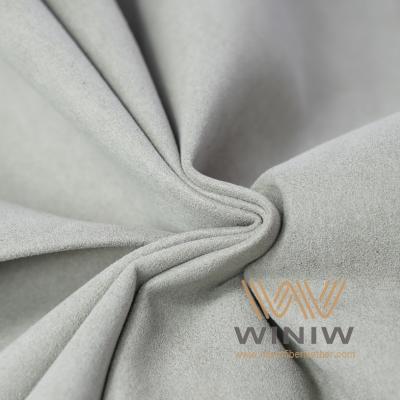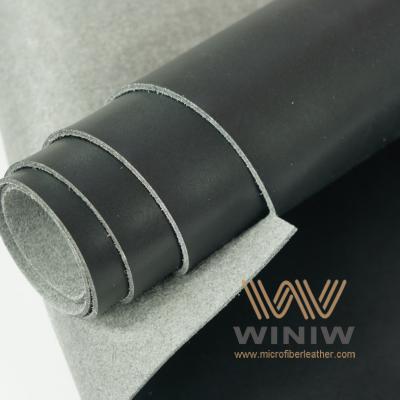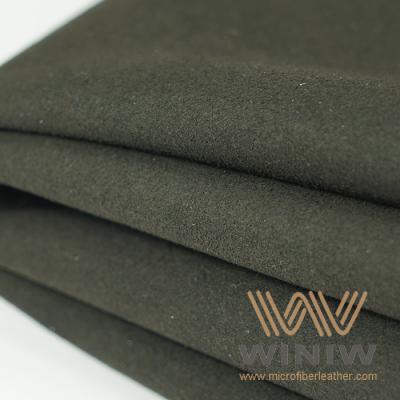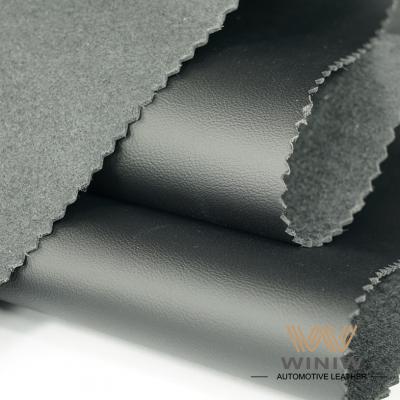
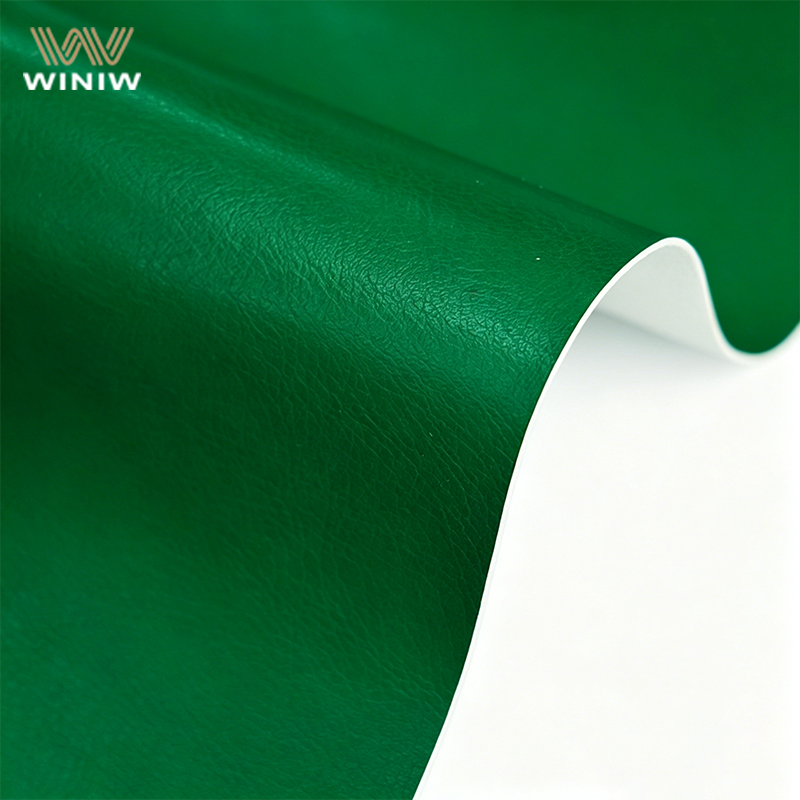
Si desea una mejor opción para su familia, un sofá de microfibra de cuero suele destacar por su durabilidad, fácil mantenimiento y relación calidad-precio. Puede descubrir que tanto las opciones de sofá como de sillón tienen ventajas y desventajas únicas para su hogar, así que piense en su estilo de vida, mascotas y niños antes de tomar una decisión.
Elija cuero genuino para una durabilidad prolongada, ya que algunos tipos pueden durar más de 50 años con el cuidado adecuado.
Opte por la microfibra si necesita fácil limpieza y resistencia a las manchas, especialmente en hogares con niños y mascotas.
Tenga en cuenta el estilo de vida y el presupuesto de su familia al seleccionar un sofá; el cuero ofrece elegancia y durabilidad, mientras que la microfibra proporciona asequibilidad y comodidad.
Cuando busca una mejor opción para su familia, la durabilidad importa. Un sofá de cuero suele destacar por su impresionante longevidad. Si elige cuero genuino, puede esperar que sus muebles duren décadas con el cuidado adecuado. El tipo de cuero marca una gran diferencia en cuánto tiempo su sofá servirá a su hogar. Aquí tiene un vistazo rápido a la vida útil esperada de diferentes tipos de cuero:
|
Tipo de cuero |
Vida útil esperada |
|---|---|
|
Cuero de grano completo |
25-50+ años |
|
Cuero de grano superior |
15-25 años |
|
Cuero de grano corregido |
10-15 años |
|
Cuero dividido |
5-10 años |
|
Cuero aglomerado |
2-5 años |
Notará que el cuero de grano completo y el cuero de grano superior ofrecen la mejor longevidad. Estas opciones resisten el desgaste diario y desarrollan una pátina única con el tiempo. Sin embargo, incluso el sofá de cuero más duradero puede mostrar arañazos, especialmente si tiene niños o mascotas. Los niños pueden dejar huellas dactilares pegajosas, derramar bebidas o dejar caer bocadillos, lo que puede causar manchas o decoloración. Las mascotas, especialmente los gatos, pueden arañar la superficie o dejar pelo. A pesar de estos desafíos, el cuero genuino sigue siendo un fuerte candidato para las familias que desean muebles duraderos.
Un sofá de microfibra ofrece un tipo de resistencia diferente. La microfibra resiste bien las manchas, especialmente si limpia los derrames rápidamente. Las fibras tejidas de forma compacta dificultan que los líquidos penetren, por lo que puede limpiar la mayoría de los desórdenes antes de que se vuelvan permanentes. La microfibra también soporta el uso diario, pero no iguala la longevidad del cuero genuino. La mayoría de los sofás de microfibra duran entre 7 y 15 años, siendo el extremo inferior más común en hogares con niños activos o mascotas.
La microfibra resiste los arañazos mejor que algunos tipos de cuero, pero atrae el pelo de mascotas y la pelusa. Puede necesitar limpiarla con más frecuencia para mantener su aspecto fresco. Aquí tiene una tabla que compara los factores de durabilidad de los sofás de tela y de cuero:
|
Factor |
Sofá de tela |
Sofá de cuero |
|---|---|---|
|
Vida útil del mueble |
7-15 años |
|
|
Resistencia a las manchas |
Moderada a alta |
Alta |
|
Resistencia a los arañazos |
Bueno |
Moderado |
Los sofás de microfibra no desarrollan grietas ni se desvanecen tan rápido como algunos sofás de cuero, pero ambos materiales pueden perder su apariencia original si se exponen a la luz solar directa durante largos períodos.
Si tienes niños o mascotas, quieres un sofá que pueda soportar el caos de la vida diaria. Tanto el cuero como la microfibra ofrecen beneficios únicos para las familias. Un sofá de cuero y microfibra combina la fácil limpieza de la microfibra con el aspecto clásico del cuero, lo que lo convierte en una opción popular para hogares ocupados.
El cuero resiste pequeños arañazos y no atrae el pelo de las mascotas, por lo que puedes limpiar los derrames con una simple pasada. Sin embargo, necesita acondicionamiento regular para mantenerse suave y evitar grietas.
La microfibra es resistente a las manchas y suave, pero atrae el pelo y la pelusa. Tendrás que aspirarla con más frecuencia, especialmente si tienes mascotas.
Ambos materiales pueden desvanecerse si los colocas bajo la luz solar directa, así que considera la distribución de tu habitación al elegir tu sofá.
Consejo: Si quieres un sofá que dure y se vea bien, elige cuero genuino para mayor longevidad o microfibra para eliminar manchas fácilmente. Para hogares con niños y mascotas, la microfibra puede ser más fácil de mantener, pero el cuero de alta calidad ofrece una durabilidad inigualable.
Notas que un sofá de cuero aporta una comodidad única a tu espacio de vida. El cuero genuino se adapta a la temperatura de tu cuerpo, por lo que no sientes una sensación pegajosa ni sudor durante los días cálidos. Los poros naturales del cuero permiten que circule el aire, lo que ayuda a regular la temperatura. Puedes notar que el cuero se siente frío en invierno o cálido en verano, pero rara vez resulta incómodo. Muchas familias prefieren el cuero en ambientes más frescos porque se mantiene firme y ofrece buen soporte. El material no absorbe olores, lo que beneficia a los hogares con alergias.
|
Material |
Regulación de temperatura |
|
|---|---|---|
|
Alta |
Absorbe la humedad, se siente más fresco y seco |
|
|
Cuero genuino |
Moderada |
Los poros naturales permiten la circulación del aire |
Experimentas un tipo diferente de comodidad con un sofá de microfibra. La microfibra está hecha de fibras de poliéster ultrafinas, que se sienten suaves y mullidas. El tejido absorbe la humedad, manteniéndote fresco y seco, especialmente en climas cálidos. La microfibra resiste las manchas y es fácil de limpiar, lo que la hace ideal para hogares con niños o mascotas. Disfrutas descansar en un sofá de microfibra porque ofrece una suavidad y durabilidad increíbles.
Los sofás de microfibra son conocidos por su suavidad y niveles de comodidad.
El material es muy transpirable y soporta bien el desgaste diario.
Quieres un sofá que se adapte a las necesidades de tu familia todos los días. La microfibra proporciona una comodidad mullida y te mantiene fresco, mientras que el cuero ofrece un soporte firme y se adapta a la temperatura. Ambos materiales se ajustan a diferentes climas y estilos de vida. Si vives en una zona cálida, puedes preferir un sofá de cuero y microfibra por sus propiedades para absorber la humedad. En zonas más frías, el cuero te brinda comodidad duradera y elegancia.
Consejo: Elige el material que coincida con tu clima y los hábitos de tu familia para obtener la mejor comodidad en el hogar.
Quieres que tu sofá de cuero luzca genial durante años. El cuidado regular ayuda a proteger su durabilidad y apariencia. Los expertos en tapicería recomiendan una rutina sencilla:
Quita el polvo y aspira diariamente para eliminar migas y derrames leves. Usa un accesorio de cepillo suave y un paño de microfibra húmedo.
Limpia semanalmente con un paño de microfibra seco o ligeramente húmedo para eliminar el polvo de la superficie.
Limpia mensualmente con un limpiador de cuero con pH equilibrado y luego pule hasta secar.
Aplica acondicionador para cuero cada 6–12 meses para evitar grietas y desgaste.
Absorbe los derrames de inmediato con un paño limpio y seco. Evita limpiadores agresivos.
Si tienes cuero genuino, estos pasos mantienen tu sofá suave y ayudan a resistir las manchas. El acondicionamiento también evita la sequedad y las grietas, lo que prolonga la vida útil de tu sofá de microfibra de cuero.
Un sofá de microfibra facilita la limpieza para las familias ocupadas. Puedes aspirarlo regularmente para eliminar polvo, migas y pelo de mascotas. Para los derrames, seca el área con un paño limpio y usa una solución de jabón suave si es necesario. La microfibra resiste la mayoría de las manchas, por lo que rara vez necesitas limpiadores especiales. Quitar el polvo semanalmente y limpiar manchas específicas mantiene tu sofá con un aspecto fresco. Este material se seca rápidamente, por lo que no tienes que preocuparte por la humedad persistente.
Quieres un sofá que se adapte a tu hogar y estilo de vida. La microfibra destaca por su fácil mantenimiento, especialmente si tienes niños pequeños o mascotas. El cuero también ofrece una limpieza sencilla y resiste los derrames, pero el cuero genuino necesita acondicionamiento para una durabilidad a largo plazo. Ambas opciones ofrecen buena resistencia a las manchas, pero la microfibra suele ser la mejor opción para familias que quieren menos mantenimiento. Si valoras la durabilidad y el mantenimiento, elige el material que coincida con tu rutina diaria.
Consejo: Para el cuidado más sencillo, elige un sofá de microfibra si quieres una limpieza rápida. Elige un sofá de cuero si prefieres un aspecto clásico y no te importa aplicar acondicionador ocasionalmente.
Notas que un sofá de cuero aporta un aspecto atemporal y sofisticado a tu sala de estar. Los sofás de cuero realzan tanto la decoración moderna como la clásica estilos. Puedes elegir entre texturas y acabados que van desde elegantes y brillantes hasta suaves y mates. El cuero marrón y color caramelo combinan bien con madera natural, creando un ambiente cálido y clásico. El cuero negro puede verse atrevido y moderno, pero debes añadir detalles más claros para evitar que tu espacio se sienta demasiado pesado. A muchas personas les encanta la sensación lujosa que ofrece un sofá de microfibra de cuero, convirtiéndolo en una pieza central de cualquier hogar.
|
Variedad de diseño |
Opciones de color |
|
|---|---|---|
|
Microfibra |
Alta |
Amplia gama |
|
Cuero |
Moderada |
Limitada |
Descubres que un sofá de microfibra ofrece más flexibilidad de diseño. Los sofás de microfibra vienen en una amplia variedad de colores y patrones, por lo que puedes combinarlos con casi cualquier decoración del hogar. Estos sofás funcionan bien en salas familiares porque combinan suavidad con durabilidad. La microfibra resiste las manchas y el agua, lo que la hace ideal para hogares con niños o mascotas. Puedes actualizar fácilmente tu espacio eligiendo un nuevo color o estilo, y a menudo pagas menos que por el cuero.
Los sofás de microfibra son aptos para familias y fáciles de limpiar.
Puedes seleccionar entre muchos colores para adaptarlos a tu gusto personal.
Quieres que tu sofá combine con el estilo de tu hogar. Los sofás grises sirven como una base neutra, permitiéndote añadir detalles llamativos o sutiles. Los tonos neutros como crema o beige crean un efecto relajante, mientras que colores como amarillo mostaza o azul marino añaden energía.El cuero añade elegancia y una sensación de lujo, especialmente en espacios clásicos o modernos. La microfibra ofrece mayor versatilidad gracias a su amplia selección de colores y opciones de diseño. Puedes encontrar fácilmente un sofá que combine con tu estilo de vida y tus preferencias de decoración.
Consejo: Si quieres elegancia, elige cuero. Para versatilidad y variedad de colores, elige microfibra.
Puedes notar que un sofá de cuero suele tener un precio más alto. La mayoría de los sofás de cuero cuestan entre $1,000 y $4,500, dependiendo del tamaño, el estilo y de si eliges cuero genuino. Este material ofrece una apariencia y sensación premium, lo que aumenta el costo general. Inviertes más al principio, pero obtienes una pieza que puede durar décadas con el cuidado adecuado. Muchos propietarios consideran un sofá de cuero como una inversión a largo plazo para su hogar.
Si buscas una opción más económica, un sofá de microfibra destaca como una elección asequible. Puedes encontrar sofás de microfibra por tan solo $200, y la mayoría de las opciones oscilan entre $300 y $1,500. Estos sofás te ofrecen comodidad y estilo sin un costo inicial elevado. No tienes que sacrificar la calidad por la asequibilidad, especialmente si tienes un hogar con mucha actividad. Los sofás de microfibra suelen durar entre 7 y 10 años, lo que los convierte en una opción práctica para familias que quieren actualizar sus muebles con más frecuencia.
Sofás de microfibra: $200–$1,500
Sofás de cuero: $1,000–$4,500 o más
Al comparar costo y valor, debes considerar tanto la asequibilidad como los beneficios a largo plazo. Un sofá de cuero y microfibra puede costar más al principio, pero puede durar más de 20 años, lo que lo convierte en una inversión inteligente. Los sofás de microfibra ofrecen una excelente asequibilidad y fácil mantenimiento, lo que se adapta a hogares con niños o mascotas. La tabla siguiente muestra cómo se desempeña cada material en cuanto a durabilidad, mantenimiento y adecuación:
|
Material |
Durabilidad |
Mantenimiento |
Adecuación para niños/mascotas |
|---|---|---|---|
|
Cuero |
Dura más de 20 años |
Requiere acondicionamiento |
Requiere mantenimiento moderado |
|
Microfibra |
Resistente a las manchas |
Fácil de limpiar |
Excelente para hogares |
Consejo: Si quieres la mejor asequibilidad, elige microfibra. Si valoras la durabilidad a largo plazo y el estilo clásico, un sofá de cuero te ofrece un valor duradero. Siempre considera tu presupuesto y cuánto tiempo planeas conservar tu sofá al hacer una comparación de costos.
Cuando eliges un sofá para una familia con niños pequeños, quieres algo seguro, duradero y fácil de limpiar. Tanto el cuero como la microfibra ofrecen beneficios, pero cada uno tiene fortalezas únicas. La tabla siguiente te ayuda a comparar factores importantes:
|
Factor |
Cuero |
Microfibra |
|---|---|---|
|
Durabilidad |
Generalmente duradero, pero puede rayarse |
Muy duradero y resistente al desgaste |
|
Facilidad de limpieza |
Necesita limpiadores y cuidados especiales |
Fácil de limpiar con cuidados regulares |
|
Resistencia a las manchas |
Puede mancharse si no se trata rápidamente |
Altamente resistente a las manchas |
La microfibra destaca por su resistencia a las manchas y su fácil limpieza. El cuero ofrece durabilidad a largo plazo, pero puede mostrar rayones causados por juguetes o cremalleras.
Si tienes mascotas en casa, quieres un sofá que soporte el pelo, las garras y los accidentes. La microfibra repele el pelo de las mascotas, por lo que puedes limpiarla fácilmente. El pelo de las mascotas queda en la superficie, lo que facilita pasar la aspiradora. El cuero resiste mejor los rayones que la mayoría de los tejidos, pero las garras afiladas aún pueden dejar marcas. Puedes limpiar la mayoría de los desastres de ambos materiales, pero el cuidado regular mantiene tus muebles con un aspecto fresco. Coloca una manta lavable o una funda para mascotas donde a tus mascotas les guste descansar para obtener protección adicional.
Consejo: Cepilla a tus mascotas con frecuencia y usa un rodillo quitapelusas para mantener tu sofá libre de pelo.
Si tu familia tiene alergias, quieres un sofá que no atrape polvo ni caspa. El cuero, el vinilo y los sintéticos de tejido apretado tienen menos probabilidades de retener alérgenos que la tapicería tradicional. Puedes eliminar el pelo y la caspa de las mascotas con una aspiradora de mano o un paño húmedo. La microfibra también resiste los alérgenos, pero las opciones de sofás de microfibra de cuero te ofrecen lo mejor de ambos mundos para un hogar saludable.
Quieres un sofá que se adapte a tu hogar y a tu familia. Muchas familias eligen un sofá de microfibra de cuero por su durabilidad y fácil cuidado. La microfibra funciona bien para la comodidad y el presupuesto. El cuero dura más y se siente lujoso. Considera tus necesidades, estilo de vida y presupuesto. Elige la opción que te brinde satisfacción y comodidad.
Debes secar los derrames rápidamente con un paño limpio. Usa una solución de jabón suave para las manchas difíciles.
Consejo: Evita empapar la tela para prevenir marcas de agua.
Puedes notar rayones si tus mascotas tienen garras afiladas. El cuero de grano completo resiste mejor los daños que el cuero aglomerado.
Corta las uñas de tu mascota regularmente para mayor protección.
No debes usar limpiadores domésticos comunes. Elige un limpiador de cuero con pH equilibrado para obtener los mejores resultados.
Nota: Los productos químicos agresivos pueden dañar el acabado del cuero.
Winiw International Co.,Ltd


Escanear a wechat:



 Tel : +86 18150976625
 Correo electrónico : Market@MicrofiberLeather.com