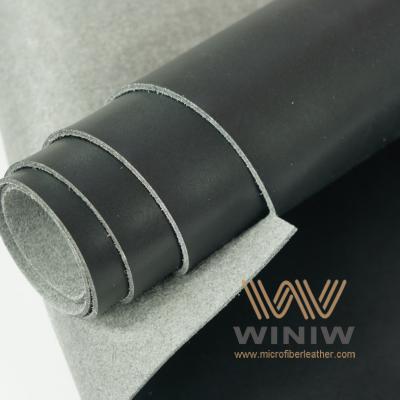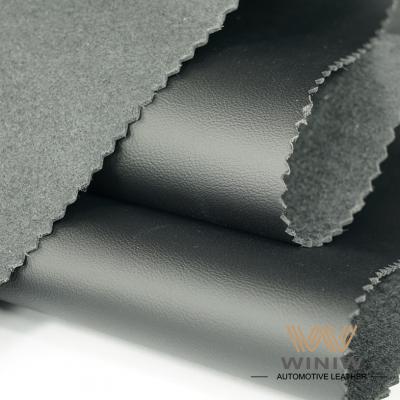
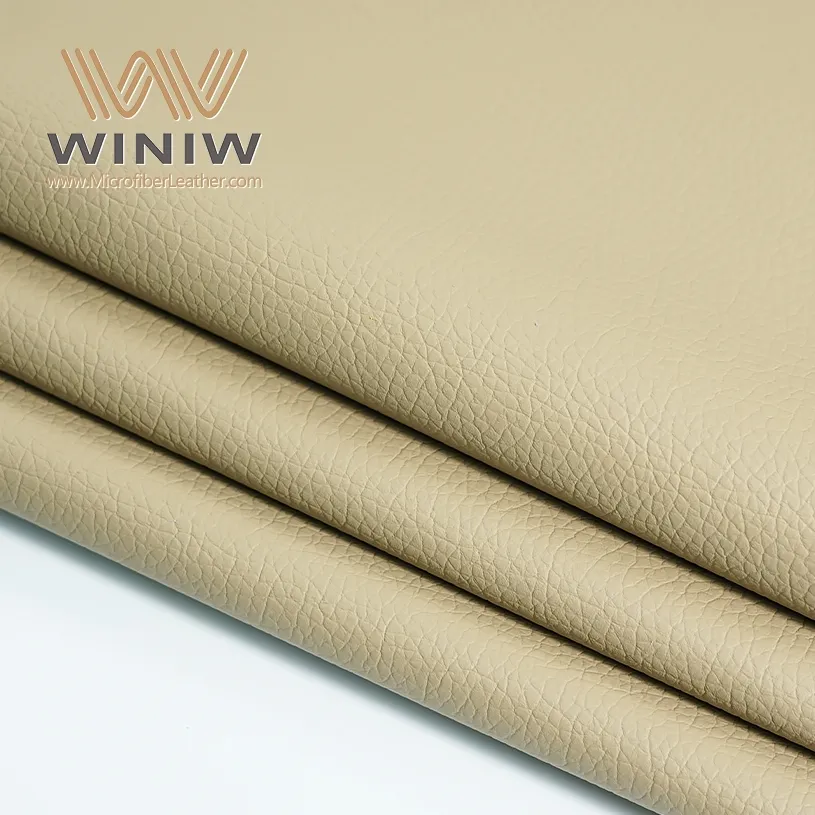
Quizás te preguntes si cuero sintético Funciona bien para zapatos o, si lo prefieres, deberías evitarlo. Muchos eligen el cuero sintético por su bajo precio, fácil mantenimiento y su atractivo para los animales. Encuestas recientes muestran que a los compradores les gusta el cuero sintético para zapatos por razones de sostenibilidad y estilo. El cuero sintético lidera actualmente el mercado de cueros sintéticos, representando más de la mitad de las ventas mundiales. Sin embargo, algunos lo evitan porque se agrieta con mayor facilidad y proviene del petróleo. Debes sopesar tus necesidades de comodidad, durabilidad y ética antes de decidir.
El cuero sintético ofrece un estilo elegante. Es una opción de calzado asequible y apta para veganos, lo que la hace popular entre los consumidores.
Si bien el cuero sintético (PU) es fácil de mantener y resistente al agua, puede agrietarse y pelarse más rápido que el cuero genuino, durando solo de 1 a 3 años.
Analiza detenidamente tus necesidades: elige cuero sintético (PU) para uso informal y opciones económicas, pero opta por cuero genuino para mayor durabilidad y uso a largo plazo.
Se ve cuero sintético en muchos productos Hoy en día, este material se obtiene recubriendo una base de tela con poliuretano. Los fabricantes utilizan PU para crear una superficie sintética que se ve y se siente como cuero animal. Es una opción vegana que evita el uso de pieles de animales. Mucha gente elige el cuero PU por su acabado suave y su amplia gama de colores. Si buscas un estilo asequible, el cuero PU suele ser la mejor opción.
Quizás te preguntes cómo se fabrica el cuero sintético (PU). El proceso comienza con una base de tela, generalmente poliéster o algodón. Los fabricantes aplican una capa de poliuretano a esta base. Luego, añaden textura y color para imitar el cuero auténtico. Este método permite la producción en masa y una calidad uniforme. Si comparas la fabricación del cuero sintético con la del cuero genuino, notarás grandes diferencias:
|
Aspecto |
Cuero sintético PU |
Piel genuina |
|---|---|---|
|
Material base |
Materiales sintéticos (poliuretano sobre tejido) |
pieles de animales |
|
Pasos clave |
Selección del material base, recubrimiento de poliuretano, texturizado, acabado. |
Preparación de la piel, bronceado, teñido, acondicionamiento |
|
Proceso de producción |
Implica procesos sintéticos que permiten la producción en masa. |
Implica pasos complejos de curtido y procesamiento. |
Encontrarás El cuero sintético PU se utiliza en muchos tipos. de zapatos. Este material aparece en:
zapatos escolares
zapatos de vestir
Zapatillas informales
Botas de moda
Calzado infantil
Zapatillas deportivas
Botas de trabajo
Calzado para senderismo y actividades al aire libre
El cuero sintético se utiliza tanto en estilos casuales como formales. Muchas marcas lo emplean para zapatillas deportivas, mocasines, sandalias, zapatos Oxford, zapatos de tacón e incluso botas con puntera de acero. Ofrece estilo, comodidad y resistencia al agua. Si buscas calzado asequible y a la moda, el cuero sintético se destaca como una excelente opción.
Encontrarás muchas ventajas al elegir zapatos de cuero sintético. Los expertos de la industria del calzado destacan varios beneficios que hacen que los zapatos de imitación de cuero sean populares:
Los zapatos de imitación de cuero cuestan mucho menos que los de cuero auténtico. Ahorras dinero sin renunciar al estilo.
Los zapatos sintéticos ofrecen una alternativa vegana. Evitas los productos de origen animal y atraes a compradores con conciencia ecológica.
Los zapatos de imitación de cuero son resistentes al agua. Puedes usarlos en la cocina, en bares o en días de lluvia sin preocuparte por las manchas.
Los zapatos de piel sintética requieren menos mantenimiento. Se dedica menos tiempo a la limpieza y el acondicionamiento en comparación con el cuero auténtico.
Los zapatos de imitación de cuero vienen en muchos colores y acabados. Podrás disfrutar de una amplia gama de estilos y looks.
Estas ventajas del cuero sintético lo convierten en una excelente opción para calzado asequible, elegante y práctico. Ya ves zapatos de imitación Se utiliza en muchos entornos donde la resistencia al agua y la facilidad de mantenimiento son de suma importancia.
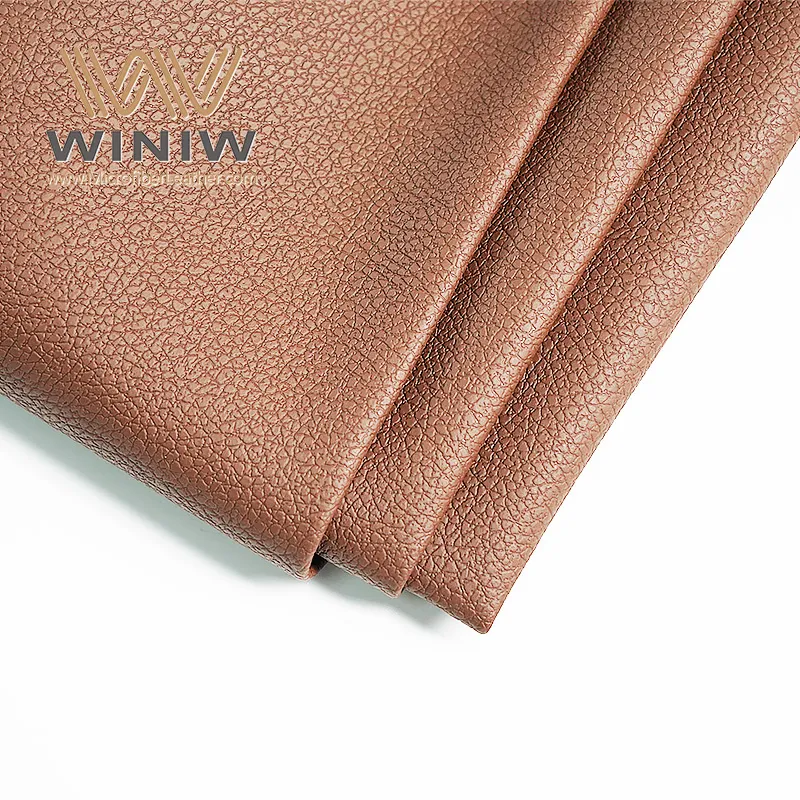
También debes tener en cuenta las desventajas del cuero sintético antes de comprar zapatos de imitación de cuero. Las reseñas de los consumidores y las pruebas de productos revelan varios inconvenientes:
|
Desventaja |
Descripción |
|---|---|
|
Falta de durabilidad |
Los zapatos de imitación de cuero pueden agrietarse y descascarillarse con el uso frecuente, reduciendo así su vida útil. |
|
Toxicidad potencial |
Algunos productos falsificados pueden contener sustancias químicas nocivas que suponen un riesgo para la salud y el medio ambiente. |
|
Preocupaciones medioambientales |
La producción y eliminación de calzado sintético implica el uso de productos químicos tóxicos, lo que contribuye a la contaminación. |
Notarás que los zapatos de imitación de cuero no duran tanto como los de cuero genuino. Es posible que aparezcan grietas, descamación o decoloración con el uso regular. Algunos tipos de zapatos de imitación de cuero también generan preocupación por su impacto ambiental y los riesgos para la salud que conllevan.
Buscas zapatos que duren y sean cómodos. La durabilidad de los zapatos de imitación de cuero depende de su uso y cuidado. Las pruebas de laboratorio demuestran que la mayoría de los zapatos de imitación de cuero duran entre 2 y 5 años con un uso regular. Si los cuidas bien, puedes extender su vida útil a entre 3 y 5 años. Sin embargo, los zapatos de imitación de cuero tienden a desgastarse más rápido que los de cuero genuino.
|
Material |
Esperanza de vida típica |
Notas sobre durabilidad |
|---|---|---|
|
Cuero sintético PU |
1-3 años |
Tiende a desgastarse más rápido, especialmente con el uso frecuente. |
|
Piel genuina |
Décadas |
Ofrece mayor resistencia y durabilidad, y se vuelve más blando con el tiempo. |
Notarás la diferencia entre el cuero sintético y el cuero genuino en cuanto a durabilidad. Los zapatos de cuero genuino pueden durar décadas con el cuidado adecuado. Los zapatos sintéticos son más propensos a agrietarse y pelarse, especialmente si los usas con frecuencia. Con el tiempo, es posible que los zapatos sintéticos se vuelvan menos flexibles y menos cómodos. Si quieres saber cómo cuidar el cuero sintético, debes evitar exponerlo a la humedad o al calor excesivos y limpiarlo con un paño húmedo.
En las tiendas se ven muchos zapatos de imitación de cuero con mucho estilo. Los expertos en moda señalan varias diferencias entre los zapatos de imitación de cuero y los de cuero auténtico:
|
Característica |
Piel genuina |
Cuero sintético PU |
|---|---|---|
|
Textura |
Veta única, imperfecciones naturales |
Superficie uniforme y consistente |
|
Oler |
Aroma fuerte y natural |
Puede oler a productos químicos o plástico. |
|
Pátina |
Con el tiempo, desarrolla una rica pátina. |
No desarrolla pátina |
Los zapatos de piel sintética ofrecen una apariencia uniforme y colores vibrantes. Además, resisten los rayos UV, por lo que conservan su color por más tiempo. Sin embargo, no desarrollan una pátina como el cuero genuino. Con el uso repetido, es posible que notes que pierden textura, se agrietan o se pelan. Para el cuidado de la piel sintética, guárdala lejos de la luz solar directa y evita los productos de limpieza agresivos.
Ahorras dinero al comprar zapatos de imitación de cuero. El rango de precios de los zapatos de imitación de cuero es mucho más bajo que el de los zapatos de cuero auténtico:
|
Tipo de parte superior |
Gama de precios |
|---|---|
|
Piel genuina |
$120 – $250 |
|
Piel sintética (PU) |
$30 – $50 |
Los zapatos de piel sintética son entre un 50 % y un 70 % más económicos que los de cuero natural. Además, su mantenimiento es más sencillo, ya que requieren una limpieza fácil. Basta con limpiarlos con un paño húmedo, evitando así costosos acondicionadores. Su fácil cuidado los hace ideales para un estilo de vida ajetreado.
Consejo: Si buscas zapatos asequibles, con estilo y fáciles de mantener, los de piel sintética ofrecen muchas ventajas. Si valoras la durabilidad, la comodidad y un aspecto natural, el cuero auténtico puede ser una mejor opción.
En cada par de zapatos de imitación de cuero, se aprecian las ventajas y desventajas de este material. Es importante sopesar ambos aspectos antes de elegir. Los zapatos de imitación de cuero cubren muchas necesidades, pero debes decidir qué es lo más importante para tus pies.
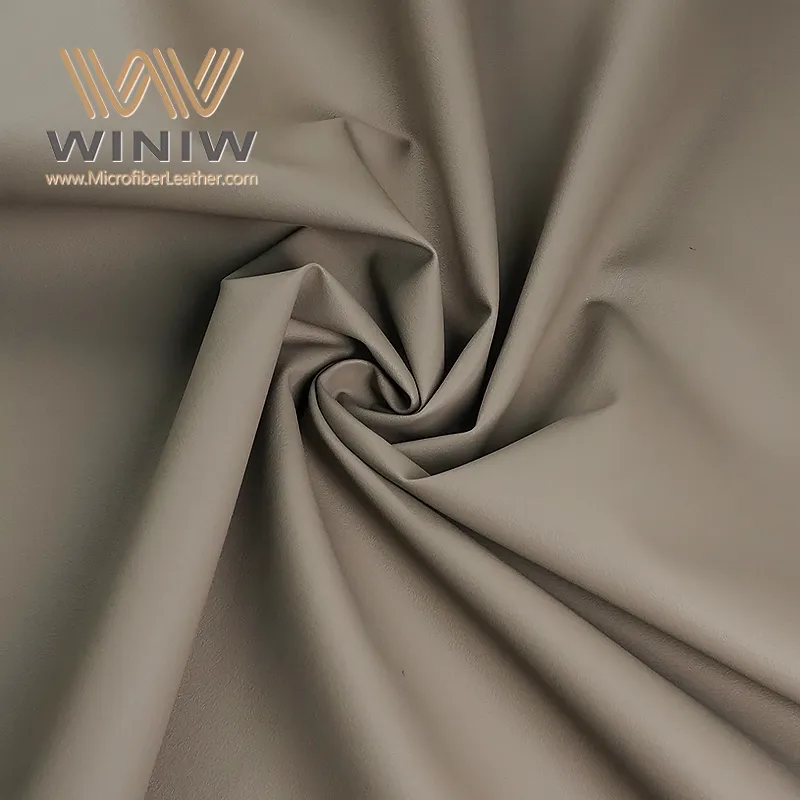
Es posible que veas muchos zapatos etiquetados como cuero vegano pero no todos cuero sintético Cumple con los estándares veganos. La mayoría del cuero sintético utiliza materiales sintéticos y no incluye pieles de animales. Esto lo convierte en una alternativa ecológica popular para las personas que desean productos libres de crueldad animal. Sin embargo, algunos cueros sintéticos pueden contener trazas de cuero genuino, por lo que siempre debe revisar la etiqueta si desea saber cómo determinar si es cuero vegano. La industria del calzado utiliza estos criterios para decidir si cuero de poliuretano es vegano:
El cuero sintético 100%, fabricado sin piel animal, se considera cuero vegano.
Algunos productos de poliuretano pueden contener pequeñas cantidades de materiales de origen animal, lo que afecta a su condición de veganos.
El impacto ambiental de la producción, incluido el uso de productos químicos tóxicos, también influye en el etiquetado vegano.
Podrías optar por el cuero sintético (PU) por su menor impacto ambiental en comparación con el cuero animal. La producción de cuero sintético emite aproximadamente 15,8 kg de CO2 por metro cuadrado, mientras que el cuero de vaca emite alrededor de 110 kg. El consumo de agua también es mucho menor para el cuero sintético, con aproximadamente 500 litros necesarios por kilogramo, en comparación con los 17.000 litros para el cuero de vaca. Esto convierte al cuero sintético en una alternativa ecológica para quienes se preocupan por el uso de recursos. Sin embargo, el cuero sintético tradicional es menos biodegradable que el cuero genuino. La mayoría de los productos de cuero sintético no se descomponen fácilmente y una gran cantidad termina en vertederos. El reciclaje no es común, por lo que la gestión de residuos sigue siendo un desafío. Se están desarrollando nuevos materiales sostenibles, como el cuero sintético biodegradable, para mejorar esta situación. También debes saber que la producción de cuero sintético utiliza productos químicos derivados del petróleo, que pueden liberar compuestos orgánicos volátiles al medio ambiente.
|
Tipo químico |
Propósito en la producción |
|---|---|
|
Polioles |
Crea la estructura pu |
|
isocianatos |
Crear la estructura de PU (MDI o TDI) |
|
disolventes |
Disolver poliuretano para su aplicación sobre la base del tejido (DMF, MEK). |
|
Catalizadores |
Mejorar la eficiencia general |
|
Tensioactivos |
Mejorar la eficiencia general |
|
Aditivos |
Mejora las propiedades y la apariencia del material. |
Deberías considerar los zapatos de cuero sintético (PU) cuando quieras una alternativa ecológica para el uso diario, a la moda o casual. Estos zapatos funcionan bien como botas de lluvia, ropa de invierno o zapatillas deportivas debido a su resistencia al agua y fácil mantenimiento del cuero sintético. Si quieres zapatos para uso diario, busca PU con forros transpirables para mayor comodidad. Sin embargo, es posible que quieras evitar el PU si necesitas calzado que dure muchos años o si quieres las prácticas más sostenibles. El cuero genuino y los nuevos materiales sostenibles como el cuero de piña o de cactus ofrecen una mejor biodegradabilidad. Los consumidores ahora prefieren prácticas y materiales sostenibles que minimicen el daño a los animales y al planeta. Al comparar el cuero sintético con cuero de PVC El poliuretano (PU) suele considerarse la alternativa más ecológica, pero ambos materiales generan inquietudes sobre su impacto ambiental. Siempre verifique las certificaciones como ISO 14001 o LWG para asegurarse de que las marcas sigan prácticas de abastecimiento responsable y sostenibles.
Consejo: Elige zapatos de piel sintética si valoras las opciones veganas, la resistencia al agua y el estilo. Evítalos si buscas la máxima durabilidad o el menor impacto ambiental.
Si buscas opciones asequibles, elegantes y veganas, deberías optar por zapatos de cuero sintético (PU). Consulta esta tabla antes de decidir:
|
Factor |
Cuero sintético PU |
Cuero auténtico |
|---|---|---|
|
Costo |
Económico |
Caro |
|
Durabilidad |
1–3 años |
Más de 10 años |
|
Ética |
Apto para veganos |
De origen animal |
Analiza tus prioridades y elige la mejor opción según tus necesidades.

El cuero sintético (PU) está hecho de poliuretano. El cuero auténtico proviene de pieles de animales. El cuero sintético (PU) ofrece una opción vegana y cuesta menos que el cuero genuino.
Los zapatos de poliuretano suelen durar entre uno y tres años. El poliuretano se agrieta y se pela más rápido que el cuero auténtico. Un cuidado adecuado prolonga la vida útil del calzado de poliuretano.
El cuero sintético (PU) suele ser seguro para la mayoría de las personas. Algunos productos de PU contienen sustancias químicas. Si tiene piel sensible o alergias, revise siempre las etiquetas.
Consejo: Debes limpiar los zapatos de poliuretano con un paño húmedo. Evita los productos químicos agresivos para proteger la superficie de poliuretano.
|
Material |
Esperanza de vida |
Mantenimiento |
|---|---|---|
|
pu |
1-3 años |
Fácil |
|
1-3 años |
Fácil |
Winiw International Co.,Ltd


Escanear a wechat:



 Tel : +86 18150976625
 Correo electrónico : Market@MicrofiberLeather.com